The Spanish Turrón | donQuijote

Submitted by Anonymous (not verified) on Mon, 12/22/2014 - 01:00
The Spanish Turrón According to Spanish tradition, turrón is eaten only at Christmas. From mid-December to early January, Spaniards eat about 30,000 tons of turrón.  The Spanish Turrón

There are some wonderful stories about the origin of turrón. One of the most fascinating is perhaps the story about a king of the Spanish town of Jijona. He was eager to make his new Scandinavian wife, who was homesick for the snow-white landscape of her homeland, happy, so he planted thousands of almond trees around the castle. When the trees bloomed, the beautiful white blossoms reminded his wife of the snow of home. Despite the wonderful romantic story, it is still more likely that the turrón is a derivative of Moorish traditions from the 15th century in Jijona. Over the years, the turrón continued to evolve into the form in which we know it today.

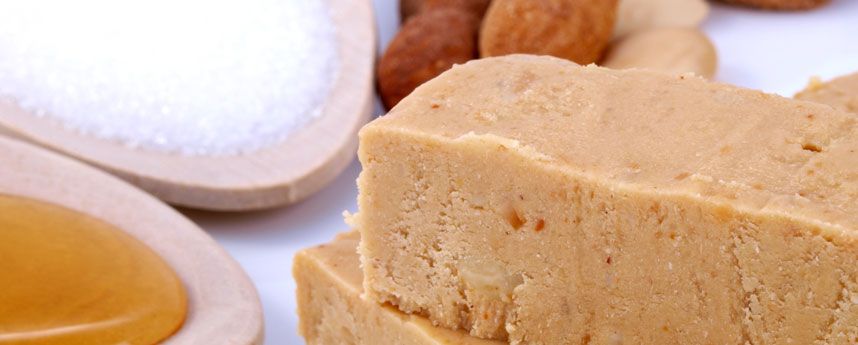
According to Spanish tradition, turrón is eaten only at Christmas. This simple concoction of only three ingredients (honey, almonds and egg white) is one of the most popular Christmas treats in Spain. Every year from mid-December to early January, Spaniards eat about 30,000 tons of turrón.

Three Types of Turron

Today, there are three types of turrón that have earned the ´Protected Geographical Indication´ (PGI) status. This status recognizes the quality of the products, as well as the geographical, cultural and historical connection they have with the area where they are made and with the ingredients that make them up. These three types are the Turrón de Alicante, the Turrón de Jijona and the Turrón de Agramunt.

Turrón de Alicante

This is the original recipe that consists only of honey, almonds and egg whites, but can sometimes contain sugar. In the area around Jijona (and Alicante) it has been made at least since the 15th century. It is prepared by boiling honey and then adding sugar and beaten egg whites, and finally toasted and peeled almonds are added to the mixture. The result is a mixture that is mixed with large wooden spoons until the master turrón maker decides it is ready. The mixture is then poured into molds, covered with a thin wafer, cut into strips, cooled and then packaged.

Turrón de Jijona

This recipe is slightly younger than the version from Alicante. It appeared around the 16th century and is believed to have been developed as a sweeter alternative for children and the elderly or as an answer to the then very popular marzipan. The preparation of this turrón is similar to that of Alicante turrón. First the honey is boiled then sugar and beaten egg whites are added and mixed together. Then the toasted and peeled almonds and the honey and egg white mixture are ground in a mill and all the ingredients are turned into a kind of dough. This dough is then transferred to another mill, called a boixet, which is heated from below and has a large rod that moves up and down in the grinder. The time spent doing this creates the rich flavor of the turrón. When this is done, the creamy and soft dough is put into molds to cool for one or two days, then it is cut into strips and packaged.

Turrón de Agramunt

This type of turrón comes from Catalonia and traces its origins back several hundred years. It is prepared by boiling honey and adding stiffly beaten egg whites, with or without sugar. Then toasted and shelled hazelnuts (or sometimes almonds) are stirred into the mixture until evenly mixed. The mixture is then spooned onto a table dusted with flour and formed into round tablets that are pressed between wafers.

The turrón tradition and its creators ensure that new flavors are invented every year. The new recipes are both exciting and innovative. For example, the turrón de Alicante can be covered entirely or partially with chocolate or contain candied fruit and/or other nuts or flavored with coconut, truffle, etc. The turrón de Jijona sometimes also contains egg yolk or marzipan and also the turrón de Agramunt can be covered with chocolate or candied fruit slices or they are filled with brownie, cherries soaked in kirsch or pralines. All combinations are possible, which is why many of the famous turrón makers are also called artistic, culinary geniuses.

Because of the short turrón season, companies are trying to expand their business activities by marketing their products beyond the Spanish and Latin American borders. This has led to some success in countries such as Britain, Germany, France and the Far East. In an effort to also convince Spaniards to buy the off-season treat, companies are coming up with different ideas for marketing their precious turrón. For example, the company Pablo Garrigós Ibáñez has opened a boutique that sells cupcakes, muffins, ice cream and cookies, all flavored with turrón. Another company, Almendra y Miel, also opened a store focused on selling their best turrón in luxuriously elegant black boxes and as gift sets. At one event, drinks are introduced that contain turrón as an ingredient; for example, how about a ´Chocolate Jijona Turrón´ with turrón truffle foam and a hint of pineapple, or perhaps the ´Red Fruit Fusion´ with white chocolate, turrón truffle foam and coconut?

The turrón companies are indeed creative and innovative, so they will certainly continue to introduce new flavors and ideas until they succeed in spreading the popularity of this delicious treat around the world. In the meantime, we just enjoy this simple but amazing treat.

Spain According to Spanish tradition, turrón is eaten only at Christmas. From mid-December to early January, Spaniards eat about 30,000 tons of turrón. turron, christmas treats, christmas in spain, jijona,turrón, turron de jijona Off <!-- Revive Adserver Etiqueta JS asincrónica - Generated with Revive Adserver v5.0.2 --><ins data-revive-zoneid="7" data-revive-id="ec923599c3fad9b044f22a6a73433428"></ins><script async src="//ads.iegrupo.com/www/delivery/asyncjs.php"></script> Wendy

Going out in Spain. Nighlife in Spain | donQuijote

Submitted by Anonymous (not verified) on Mon, 11/10/2014 - 01:00
Going out in Spain Spain is known for its vibrant nightlife. It The big cities like Madrid, Barcelona and Valencia have plenty of choices when it comes to going out. Going out in Spain

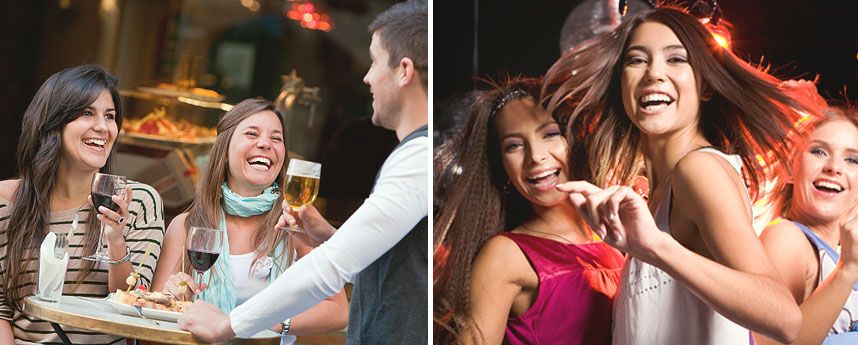
Spain is known for its vibrant nightlife until early in the morning. It starts later in the evening over dinner in a tapas bar or restaurant and then it's time for a drink. After that, the real party can begin until deep into the night! Of course, in Spain every occasion is considered a party!

Hotspots for going out

Spanish Fiestas

In Spain there are many holidays ´fiestas´ that are celebrated extensively. The Spanish fiestas are great fun to visit. Spaniards make a party out of everything, so when it is really festive you don't know what you are experiencing! There are many national holidays every year, but many cities or areas have their own. Spanish parties and fiestas are celebrated extensively in all cities and towns with lots of food and drink and often bands. There are also many traditional activities, depending on what holiday it is and what area. People are constantly outside and enjoying themselves together with their friends and family.

Before partying, of course, there must be food. Spaniards love to eat, and then eat a lot. They can dine for hours together, at home or somewhere in a restaurant and enjoy themselves with friends and family (make up something else for it, is also exactly the same in the paragraph above). One of the Spanish habits is to drink beer or wine with a meal. They also often drink sangria. When it is time to party, it is fun to first go to the shot bars "chupiterías" to start with shots of "chupitos" . After that, the clubs are visited until the early hours of the morning!

Hotspots for going out

There are many bars and pubs in Spain where you can spend the nights but of course there are also the real club lovers. Hence a small overview of the places with the best clubs.

The coastal towns that are very popular are: Lloret de Mar, Salou, Blanes, Malgrat de Mar. These places are full of tourists in summer, especially young people. They come to these areas to party every day and recover on the beach the next day. In summer it is full of parties with famous DJs. There are different styles in the clubs and bars so there is something for everyone.

The Spanish islands are also known for their clubs, especially the party island of Ibiza. Many international DJs come here every year. The chicest clubs are located here and it is more for people who have more money. Nevertheless, many young people also go there to party, some even for a few days. Of course, it is as expensive as you make it. Entrance and drinks in the clubs can be quite expensive and often there is a strict door policy. The island of Mallorca is super popular among young people for partying, and the Canary Islands also have many entertainment venues.

The big cities like Madrid, Barcelona and Valencia have many choices when it comes to going out. From small bars to mega big clubs with multiple halls or floors. If you take a city trip to one of these cities, it is definitely worth visiting a few clubs as well!

Spain Spain is known for its vibrant nightlife. It The big cities like Madrid, Barcelona and Valencia have plenty of choices when it comes to going out. tapas bar, spanish clubs, parties in spain Off <!-- Revive Adserver Etiqueta JS asincrónica - Generated with Revive Adserver v5.0.2 --><ins data-revive-zoneid="7" data-revive-id="ec923599c3fad9b044f22a6a73433428"></ins><script async src="//ads.iegrupo.com/www/delivery/asyncjs.php"></script> Daphne Nossels

Spanish Traditional Clothing | DonQuijote

Submitted by Anonymous (not verified) on Mon, 11/03/2014 - 01:00
Spanish Traditional Clothing Today, Spanish fashion is very modern, but traditional Spanish clothing is still used for special occasions. Spanish Traditional Clothing

In the 16th century, Spain was the leader in fashion. Spanish clothing styles influenced the entire world and traditional dress was widely known for its elegance and decoration. As Habsburg Spain grew, Spanish fashions such as Spanish capes, vertugados and corsets became popular throughout Western Europe. Vertugados were bell-shaped hoop skirts made of boning, cloth and intricate constructions with thread under the woman's clothing. This style was cumbersome for Renaissance women, mainly because it took hours to get dressed as a woman.

Spanish traditional dress was heavily influenced by the Moorish culture, which dominated parts of the Iberian Peninsula from 711 to 1492. Moorish culture introduced the needle and with it popularized beautiful embroidery. They also popularized the use of jewelry (often as buttons), heavy perfume and necklaces. The color black became popular for special events and both men and women wore heavy gold necklaces with precious stones. In addition, Spanish clothing was often made of expensive and heavy fabrics and decorated with gold or silver threads.

Unfortunately, this Spanish fashion and associated clothing failed to evolve with the rapidly changing times. As a result, Spanish clothing became obsolete and gave way to French Dominance. Cities such as Paris were more innovative and began to take over the position as the leader of European fashion from the 17th century.

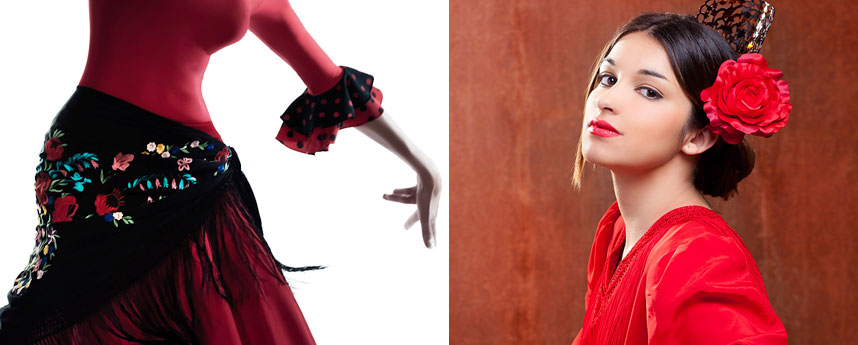
Today, Spanish fashion is very modern, but traditional Spanish clothing is still used for special occasions. Flamenco dancers still wear their typical Spanish dresses in red, black or white with their hair in a bun and a rose behind their ear. Male Flamenco dancers wear traditional costumes consisting of black or red shirts with classic pants. Nevertheless, clothing style in Flamenco is also subject to fashion trends.

Costumes of traditional Spanish bullfighters have also remained unchanged over the years. They are elaborate costumes inspired by flamboyant 18th-century Andalusian dress. Known as traje de luces ("costumes of light"), they are easily distinguished from others by the use of sequins, gold and silver threads and detailed embroidery.

In addition to Spanish costumes for special occasions, each region in Spain has its own traditional attire and Spanish dresses. They are not worn often, but you can often catch a glimpse of them during regional celebrations and parades.

Much of the traditional Spanish clothing is for special occasions and celebrations. The most common pieces still used today are: the mantilla, the peineta and the vest. The mantilla is a traditional Spanish veil often worn during religious celebrations and Spanish weddings. It is a light scarf made of lace or silk that is worn over the head and/or shoulders. The peineta is a large, decorative comb placed in the hair to hold the mantilla. It is a brownish comb with a special appearance and long pins to make the veil even higher. It is used on special occasions and originated centuries ago making it a traditional piece of Spanish clothing. The Spanish gilet comes from the Spanish word jileco, orchaleco in modern Spanish. It is a sleeveless coat and an important piece in traditional dress. In the 19th century, it was an embroidered bodice shaped like the body part of a coat, used for neat occasions. Today they are used for extra warmth outdoors.

Spain Today, Spanish fashion is very modern, but traditional Spanish clothing is still used for special occasions. spanish dress, spanish clothes, spanish dresses, spanish veil, mantilla Off <!-- Revive Adserver Etiqueta JS asincrónica - Generated with Revive Adserver v5.0.2 --><ins data-revive-zoneid="7" data-revive-id="ec923599c3fad9b044f22a6a73433428"></ins><script async src="//ads.iegrupo.com/www/delivery/asyncjs.php"></script> Daphne Nossels

Botellon in Spain | donQuijote

Submitted by Anonymous (not verified) on Mon, 10/06/2014 - 02:00
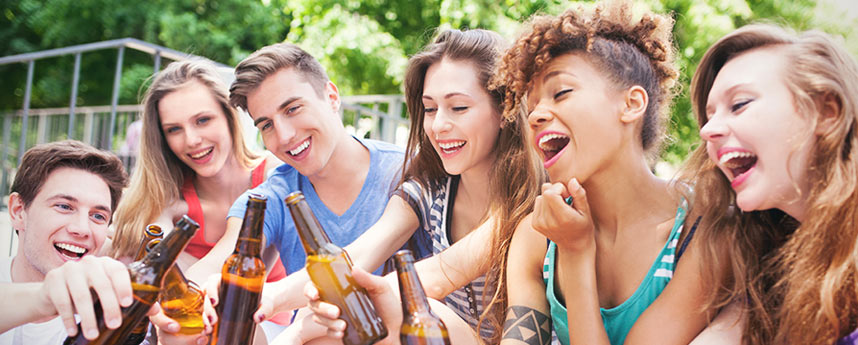
Botellon in Spain Bring a bottle and enjoy the Spanish atmosphere with young people in town squares. A botellón is meant for cozy summer evenings. Botellon Spain

We all know that Spaniards often find themselves outdoors above average, especially in spring and summer, when evening temperatures are still above 20 degrees. Spaniards go to cafes, grab a terrace in the many, beautiful squares or have their Spanish beer on their own terrace at home. There are plenty of places to relax in the healthy outdoors. Yet in the late 1990s, young people came up with a new idea!

  • Bring a bottle and enjoy the Spanish atmosphere with young people in town squares. A botellón is meant for cozy summer evenings.
    Guitars and sometimes an entire keyboard are brought along to make the (flamenco) music themselves for the ultimate Spanish feeling.
    Rules keep social gatherings from getting out of hand.

The botellón phenomenon is very famous in Spain, but is now slowly flying over to countries such as Belgium and Ireland. The origin of the botellón is in the Spanish autonomous state of Andalusia, where people began buying alcohol in stores in the late 1980s and taking the bottles outside to enjoy the pleasant temperature even in the evening. Botellón is the Spanish word for "bottle". Especially Spanish young people adopted this habit. It is said that the main reason for buying bebidas yourself is that this way you can go out cheaper. Over the years, it became more and more popular and friends gathered every weekend in summer and spring in parks and town squares to have a drink together. In many cases a guitar is brought along to bring in that real Spanish atmosphere. Friends sing with each other, clap to the rhythms of flamenco and dance. It's all about conviviality, being with friends, relaxing outdoors and enjoying a small drink. Beer, spirits and wine mixed with soft drinks (typically Spanish) are alcoholic beverages often used for a botellón in Spain. After a botellón, young people return home or continue their party at a bar or nightclub.

Not everyone in Spain agrees with the phenomenon these days, as it can sometimes cause some inconvenience. To keep everyone happy, the rule is that botellón can no longer be held everywhere. Some parks are closed at night and police walk around to keep it quiet. Nowadays it is forbidden to consume alcohol on the streets, but it is allowed to gather in town squares. It is therefore tempting for many young people to take a small drink anyway. Spaniards love conviviality and enjoying life. They keep the fun going in the streets even at night, and tourists can sometimes join in with the music and dancing they produce in the process.

Spain Bring a bottle and enjoy the Spanish atmosphere with young people in town squares. A botellón is meant for cozy summer evenings. spanish drinks, botellon, botellon in spain, botellon in spanish Off <!-- Revive Adserver Etiqueta JS asincrónica - Generated with Revive Adserver v5.0.2 --><ins data-revive-zoneid="7" data-revive-id="ec923599c3fad9b044f22a6a73433428"></ins><script async src="//ads.iegrupo.com/www/delivery/asyncjs.php"></script> Daphne Nossels

La Tomatina

Submitted by Anonymous (not verified) on Mon, 08/25/2014 - 02:00
La Tomatina It all began in 1945 during a parade of giants and grand heads. It is now one of Spain's most popular festivals. tomatina

Tomato festival in Spain

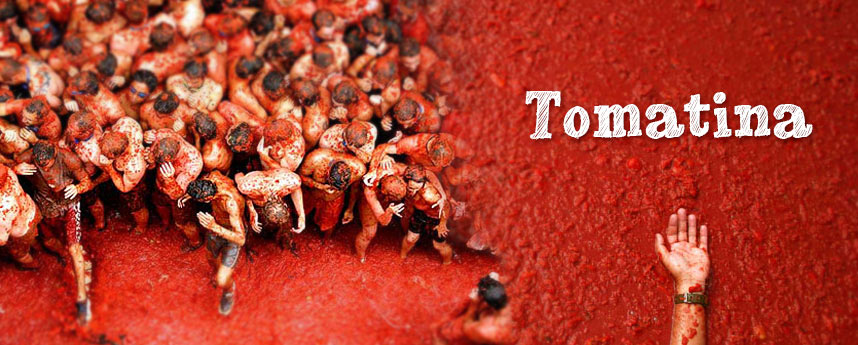
'La Tomatina' is a very popular tomato festival in Spain where some 45,000 people throw tomatoes at each other. It takes place every year in Buñol on the last Wednesday of August. Buñol is a small village 40 km from the Spanish city of Valencia. The festival has been around for more than 60 years, and every year more people from all over the world flock to the tomato throwing.

  • It all started in 1945 during a parade of giants and big heads (Los Gigantes y Cabezudos) when a group of angry boys started throwing tomatoes during a scuffle. It is now one of Spain's most popular festivals.
  • It begins the night before when, as part of tradition, large pans of paella are prepared on a fire. When the starting gun is fired at 11 a.m. the next day, the tomatoes fly around your ears and you are literally in the (tomato) puree. Less than 3 hours later, the village is completely clean of tomatoes and you don't see any more of them.

History of "La Tomatina

It is always interesting to know how an event began, especially with such a curious and funny event as 'La Tomatina'. During the event of the so-called 'Los Gigantes y Cabezudos,' a fight suddenly broke out and some angry boys looted a vegetable stand and started throwing tomatoes. They were arrested and had to pay for the damage done. Curiously, on the same day a year later, the same boys again began throwing tomatoes, this time brought from home. Again they were arrested. After keeping this up for several years, it became a tradition, but without official status.

Unfortunately, in 1957 the tradition was broken by a ban. Punishment followed for those who did throw tomatoes. A funeral was held by the residents, where they carried a coffin with a tomato and buried it.

A few years later, they were still allowed to continue the tradition, though with strict rules. From then on, things went fast. The tradition became more and more famous, climbing a soaped pole to get the ham became the starting shot of tomato throwing, in 1975 a festival organization for the event was created and from 1980 all the tomatoes are even sponsored by the village's municipality.

Course of the festival

Actually, it begins the night before when large pans of paella are prepared on a fire. In the morning, all the windows are covered to keep them from the red gunk as much as possible and then it can begin. First the soaped pole must be climbed (the winner gets a big leg of jámon serrano, smoked ham) and when the top is reached everyone shouts, "Tomatoes!" The fireworks are set off and the tomato throwing can begin. For a whole hour the tomatoes fly around your ears and nowhere are you safe from this red goo. It only takes a moment and you are already up to your shins in tomato paste. After an hour of chaos, fireworks are shot into the air again and everyone stops throwing them. The big cleanup can begin!

The big cleanup

Everywhere you look you see red. All the houses, all the people and all the buildings. This seems like an impossible job. Yet every year they manage to have the city spick and span after a few hours. Participants are sprayed clean with garden hoses and with the help of the fire department or simply take a dip in the nearby river.

Facts

The festival has always been free to all, until last time in August. Since 50,000 people already came to the small village last year, the festival organization chose to start selling a maximum of 20,000 tickets in order to limit the number of visitors.

In addition, there are some rules during the event, but fairly few people follow them. For example, you must first crush the tomato before throwing it and clothing may not be torn off. Also, it is not smart to climb stairs or the like since you will become the target of some 20,000 people.

Spain It all began in 1945 during a parade of giants and grand heads. It is now one of Spain's most popular festivals. valencia,valencia spain,tomatina,tomato throwing,tomato festival spain,buñol,tomato festival,festival spain Off <!-- Revive Adserver Etiqueta JS asincrónica - Generated with Revive Adserver v5.0.2 --><ins data-revive-zoneid="7" data-revive-id="ec923599c3fad9b044f22a6a73433428"></ins><script async src="//ads.iegrupo.com/www/delivery/asyncjs.php"></script> Daphne Nossels

Mother's Day in Spain | donQuijote

Submitted by Anonymous (not verified) on Mon, 04/28/2014 - 02:00
Mother's Day in Spain Mother's Day in Spain. On this day, Spaniards not only celebrate Mother's Day, but also honor the Blessed Virgin Mary.  mothers day in spain

Spring has sprung and that means Mother's Day is here again! In most countries, Mother's Day is celebrated on the second Sunday in May, but in Spain and Portugal, the celebration is on the first Sunday in May. So "Día de la Madre," the Spanish name for Mother's Day, is on May 4 this year. Nowadays, this day is more of a commercial thing, but the idea behind it remains the same in every country: to spoil mothers by having breakfast in bed, presents and taking over caregiving duties for a day.

  • In the Netherlands this year, Mother's Day falls on May 11 but in Spain it is always celebrated a week earlier. This year, "Dia de la Madre" falls on May 4.
  • The celebration of Mother's Day in Spain is more like a celebration of a family birthday. The whole family gathers and many gifts are handed out. The day is dedicated to mothers, of course, but socializing and being with family is equally important.

Mother's Day has several origins. In ancient Greece, worshipping mothers was already part of the ceremonies for "Rhea," the "Great Mother of the Gods," and in Great Britain the day descended from the Christian holiday "Mothering Sunday" which takes place on the 4th Sunday in Lent. It was not until 1644 that there was a Mother's Day in Great Britain with no church background. In America today, Mother's Day is a commercial thing. Here, the celebration dates back to the 19th century after a female judge from Philadelphia started a publicity stunt for Mother's Day, a day that was to be dedicated to appreciating mothers.

So on May 4, Mother's Day is celebrated in Spain. Many stores and boutiques are decorated weeks in advance and the shelves are full of the well-known Mother's Day gifts: chocolate, flowers and greeting cards. But homemade gifts and cards are much more appreciated by mothers. Therefore, school children also start making a Mother's Day gift a few weeks in advance. A few hours a day they spend crafting at school. Cutting, pasting, coloring and painting, everything is done to make the perfect gift. Of course, with a little help from their masters and teachers. When Sunday finally arrives, breakfast is often made by the father and children. While doing so, the crafted Mother's Day gifts are given and the Mother's Day poems are read.

In Spain, it is normal for Mother's Day to be celebrated with the whole family and not just the family. Therefore, mothers also receive gifts from other family members and it is a fun and festive celebration with the whole family. May is also the month when the Blessed Virgin Mary (the mother of Jesus) is honored, which often coincides with the celebration of Mother's Day.

Mother's Day in Spain does not differ that much from the Dutch celebration. Except that it is celebrated on a different day and is often combined with honoring the Blessed Virgin Mary, the intention is the same. This day is dedicated to pampering mothers, but most of all to coziness with family and relatives. The best way to celebrate Mother's Day is often by simply spending time with her.

Spain Mother's Day in Spain. On this day, Spaniards not only celebrate Mother's Day, but also honor the Blessed Virgin Mary. mother's day, dia de la madre, mother's day gift, mother's day spain Off <!-- Revive Adserver Etiqueta JS asincrónica - Generated with Revive Adserver v5.0.2 --><ins data-revive-zoneid="7" data-revive-id="ec923599c3fad9b044f22a6a73433428"></ins><script async src="//ads.iegrupo.com/www/delivery/asyncjs.php"></script> Tessa

Spanish Tapas | donQuijote

Submitted by Anonymous (not verified) on Mon, 03/31/2014 - 02:00
Spanish tapas In Spain, tapas are nothing special. In fact, it is part of the Spanish way of life! Spanish tapas

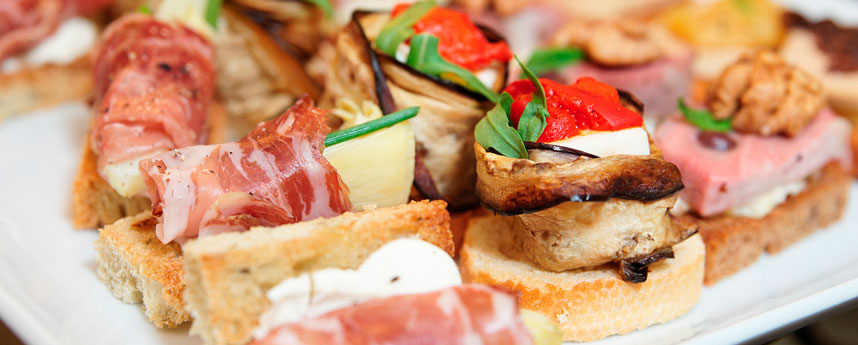
In Dutch we call them appetizers and they are eaten on birthdays or when there are visitors. In Spain, appetizers are nothing special. In fact, it is part of the Spanish way of life! Spanish tapas are not eaten on an occasion but as a snack. From slices of chorizo to whole works of art, but tapas are tapas and the Spanish cannot live without them.

  • Tapas have not always been as elaborate as they are today. In fact, it all started very simply with olives, bread or chorizo. It was only later, when different cultures came into contact with each other, that tapas were influenced and more ingredients and thus more variety appeared.
  • The fact that Spaniards eat tapas makes sense in principle; they have a lot of time between meals when there is no eating and then tapas is a good substitute.
  • There are countless recipes for the tastiest tapas. It is therefore not for nothing that there are many websites with tips and explanations for making tapas. In addition, each region in Spain has its own specialties.

As mentioned earlier, it started very simply with bread, olives and chorizo. That tapas are now so vastly expanded is because of the influence the Romans, Arabs and Columbus had on it. The Romans discovered olive oil, which gave them the means to preserve meat while adding flavor to various products. The Arabs brought nuts and spices, but the best was what Columbus brought with him: vegetables. Tapas often used to be free. It was a snack you got with your glass of sherry. The sherry drinkers of Andalusia, for example, got a slice of chorizo with their sherry. The saucer with the snack was placed on top of the drink to cover it to keep out flies and other critters. To cover is 'tapar' in Spanish, hence the word tapas. When the bars realized that when they gave the sherry drinkers tapas they drank more (because of the salt content of the tapas), the bars developed several types of tapas to offer with the sherry and other drinks so that sales of the drink increased.

“Ir de tapas”

Spaniards are known as late eaters. People dine between 9 p.m. and 11 p.m. and sometimes not even until midnight. This means that there is a lot of time between lunch and dinner. A good solution to this is tapas. In Spanish, it is called ir de tapas: consuming snacks in a bar and taking time for friends or family. It is part of the social life of Spaniards. A bar that serves tapas has about 8 to 12 kinds of tapas that are visibly kept under glass heat showcases that make the tapas look scrumptious. Almost all of them contain garlic, peppers or paprika, salt and pepper. In addition to the vegetable and meat tapas, mariscos (seafood) are also very popular; fish such as anchovies, sardines, marbel or squid are often used to make delicious tapas. In northern Spain and some other areas such as Salamanca, tapas are also called pinchos (Basque: pintxos).A pincho is a small skewer and is inserted into the snack to hold the creation together and to keep track of the number of tapas a customer has had in a bar. The average price for one tapa is about 1 to 2 euros, depending on where you consume the tapa. Yet these days tapas are not just appetizers; they can be made into half dishes or meals. That's why on restaurant menus you often see raciones (tapas meals). It is a larger portion of appetizers.

There are countless tapas recipes with different ingredients and variations so there is a bite for everyone. In Spain, each region has its own specialty. For example, the coastal provinces specialize in seafood and the bars and restaurants in inland Spain make amazing creations with mostly meat and vegetables.

Spain In Spain, tapas are nothing special. In fact, it is part of the Spanish way of life! tapas, tapas recipes, spanish tapas, tapas spain Off <!-- Revive Adserver Etiqueta JS asincrónica - Generated with Revive Adserver v5.0.2 --><ins data-revive-zoneid="7" data-revive-id="ec923599c3fad9b044f22a6a73433428"></ins><script async src="//ads.iegrupo.com/www/delivery/asyncjs.php"></script> Daphne Nossels

Mediterranean diet. Spain | donQuijote

Submitted by Anonymous (not verified) on Mon, 03/10/2014 - 01:00
Mediterranean diet The food from Mediterranean cuisine is very healthy and balanced. At the same time, this way of eating also makes you less likely to have diseases. mediterranen diet

Today's diet is not as good as it used to be. So maybe we should adopt the diet of the past again! The Mediterranean diet is a diet based on the food and eating habits of inhabitants around the Mediterranean in the early 1960s. So this mainly refers to Spain, Italy, France and Portugal.

  • The food from Mediterranean cuisine is very healthy and balanced. At the same time, this way of eating also makes you less likely to get diseases.
  • That the inhabitants of the Mediterranean region were so healthy was not just down to the food. Besides eating fiber-rich meals, they also really took the time to eat. Something the Dutch could sometimes learn a thing or two from.
  • The diet itself is not only a way to lose weight, it can also be used to simply live healthier. In fact, research has shown that the diet reduces the risk of disease.

As mentioned above, the diet is based on the food of inhabitants around the Mediterranean Sea. It consists mainly of all kinds of fish, fruits and vegetables, grains, nuts and olive oil. In addition, legumes such as chickpeas, lentils, white beans are also popular in Mediterranean diet dishes. Frequent use of garlic and herbs should of course not be missed. This contains a lot of healthy fiber, good (and just enough) carbohydrates and an abundance of antioxidants. A simple meal from a Mediterranean cuisine recipe book will bring you a healthy dose of nutrition that is filling. However, every ingredient is completely fresh and often from your own garden. The fact that it is much cheaper to cook with fresh produce there than in, say, the Netherlands, makes it much easier to adopt the eating habits of Mediterranean cuisine.

Cooking with olive oil

Something we can easily adopt, though, is the use of olive oil. Its use is perhaps the main difference between the Mediterranean and other regions. Whereas the people of the Mediterranean region use olive oil for everything, we use butter for everything. Olive oil consists overwhelmingly of monounsaturated fat. The fatty acids in these unsaturated fats improve your cholesterol levels and this in turn reduces the risk of disease. In other words, olive oil is super healthy! Mediterranean cuisine is especially appreciated by the Mediterranean people themselves. The freshness and quality of the products and the simplicity and/or purity of the dish are key. A drink with dinner? You wouldn't expect it but red wine perfectly matches the taste of the food, is healthy and it suits your diet.

Not only is the Mediterranean people's diet healthy, but their lifestyle is something we Dutch might take an example from. Too much busyness and stress is not healthy. The inhabitants of the Mediterranean are very calm and relaxed; their lifestyle is relaxed and they take enough time to enjoy the food.

The diet itself is long lasting because the ingredients are highly nutritious and fill you up well. The easiest way to follow the diet is through a book, which gives you great ideas for recipes that fit right into the picture of Mediterranean cuisine. Recent research has shown that this diet is good for overall health and that it even prevents aging of the brain. Furthermore, it reduces the risk of cardiovascular disease and cancer. A 2003 study found that those following a Mediterranean diet rich in fruits, vegetables, grains, olive oil and fish were 25% less likely to die of cancer. Long live the longer life with the Mediterranean diet!

Spain The food from Mediterranean cuisine is very healthy and balanced. At the same time, this way of eating also makes you less likely to have diseases. Mediterranean food, Mediterranean diet, Mediterranean cuisine, Mediterranean recipes, cooking with olive oil Off <!-- Revive Adserver Etiqueta JS asincrónica - Generated with Revive Adserver v5.0.2 --><ins data-revive-zoneid="7" data-revive-id="ec923599c3fad9b044f22a6a73433428"></ins><script async src="//ads.iegrupo.com/www/delivery/asyncjs.php"></script> Daphne Nossels

Name day in Spain | donQuijote

Submitted by Anonymous (not verified) on Mon, 02/24/2014 - 01:00
Name day in Spain Name Day in Spain. This is the memorial day of the saint(s) you are named after and comes from the Catholic tradition of honoring the saints. name day
  • The name day is similar to your birthday in terms of celebration. You get visitors and small gifts and all kinds of treats are brought out. So in Spain, people named after a saint actually have two birthdays.
  • For those without a name day, there is All Saints' Day. This day always falls on November 1 and is a day off in many countries.
  • It is sometimes said that in Spain every day is a holiday. This is largely because each village has its own patron saint who is commemorated on the day he died. And since there are quite a few villages in Spain ...

Saint

If you are named after a saint, you are lucky to have two birthdays a year. The name day is often celebrated on the day the saint you are named after died and is celebrated to honor and remember that saint. Naming days go a long way; for example, if you are named after Saint San José, you can be called José, but so can Fina or Pepe. In addition, it does not matter whether the name of the saint you are named after is male or female; in fact, the female namings Nicole and Nicoletta of the male saint Saint Nicholas are often used. Name Day in Spain is celebrated much the same as a birthday. It is celebrated with food, cakes, drinks, flowers and visits from family and close friends who often bring a small gift. If you are not named after a saint, you may celebrate your name day on All Saints Day.

All Saints' Day

The Christian feast that falls on Nov. 1 and has to do with Día del Santo is All Saints' Day. It is celebrated among Catholics and Anglicans, and in the Catholic Church it is an important feast. On this day, all saints are commemorated. Many countries, including Spain, consider November 1 a national holiday. In the Netherlands, however, this was abolished in 1960. This holiday is celebrated in Spain with special food for All Saints' Day: huesos de santos (bones of saints, rolled up marzipan) and donuts..

"Every day there is a party somewhere in Spain." That's right! Because because, among other things, every village has its own patron saint, it seems like every day is a celebration. A patron saint is a saint or angel who is considered and revered as the protector of a city and whose name one can receive at a baptism. For example, Valencia has San José and the city honors him with the famous Fallas festival. Benicassim holds a week of fiestas in January to honor San Antonio and in early September Salamanca has a week of fiestas with bullfights and a parade, in honor of the Virgen de la Vega. The saints are very important in Spain and at the same time provide many fiestas throughout the country and year.

Spain Name Day in Spain. This is the memorial day of the saint(s) you are named after and comes from the Catholic tradition of honoring the saints. all saints, saint, name day, spanish traditions Off <!-- Revive Adserver Etiqueta JS asincrónica - Generated with Revive Adserver v5.0.2 --><ins data-revive-zoneid="7" data-revive-id="ec923599c3fad9b044f22a6a73433428"></ins><script async src="//ads.iegrupo.com/www/delivery/asyncjs.php"></script> Daphne Nossels

Coffee in Spain | donQuijote

Submitted by Anonymous (not verified) on Mon, 02/17/2014 - 01:00
Coffee in Spain Coffee is a part of life. Drinking it is a habit, a tradition. Coffee in Spain is important for social life. coffee spanish

Spaniards start early in the morning when they go out for breakfast somewhere before work. Of course, there are many types of coffee and the assortment is only growing. There are a few variations on each type of coffee to make the perfect coffee for everyone. The work in a bar doesn't get any easier....

  • The first cup of coffee was drunk a long time ago, but not in the way we drink it today. Although you would expect otherwise, for a very long time coffee in Spain was drunk only by the royal family and nobility.
  • From black coffee to latte and from coffee with alcohol to iced coffee. Everything is possible. Of course, they all have their own Spanish designation. Always useful to know; also when you want to order a coffee in Spain that most resembles the coffee at home.

Coffee history

Coffee itself has been around for a long time: around 1500, coffee was already drunk by the Yemeni, wise Sufis to stay awake while praying. Around 1600 it came to Europe and here it was considered medicine.Although not officially a medicine, it is a healthy remedy. For example, it stimulates the central nervous system and promotes breathing and digestion.

While Spain is ahead of the rest of Europe in many aspects, however, coffee arrived in Spain late. In the process, it was initially, and for a long time, only consumed by the royal family and nobility. When finally in 1764 (first coffee shop in Amsterdam as early as 1663) the first coffee shop was opened in Madrid, things moved quickly. A few years later, coffee cafes also opened in Barcelona and inspired many other cities in Spain. Spanish coffee was a fact. By now we are almost 250 years on and there are different variations of coffee.

Types of coffee in Spain

Anyone looking for a (side) job in a Spanish café will still need to read up on the different types of coffee. Spain loves versatility, in summer and in winter. Therefore, there are 7 types of coffee for a reason, each with its own variations according to the wishes and needs of the customers. Below is a brief explanation of the types of coffee found in the cafes:

Café solo is a strong cup of black coffee often drunk after meals or with breakfast. A Cortado is a strong cup of coffee with a little hot milk. A cortado is often drunk from a glass and is very similar to foreign coffee. Café con leche, the name says it all: coffee with milk. Café con leche is best known among foreigners and similar to coffee latte. It is a cup of coffee with hot milk often consumed at breakfast.After 11 p.m., the café con leche is replaced by a stronger cup of coffee. An americano is American-style coffee: a large cup of black coffee. An Americano is less strong than a café solo. 

Especially for the men, there is a carajillo, similar to a café solo. A small, strong cup of coffee but with a dash of whiskey, cognac or some other kind of liquor. This coffee is widely consumed by Spanish men. The cappuchino has also reached Spain, although the Spaniards themselves are not such fans of it. The cappuchino is available with a topping of whipped cream or whipped milk. If Spaniards drink it at all, it is with whipped milk. In fact, the whipped cream is for tourists. After all, nothing is "safer" than cappuchino with whipped cream; you know what you're getting. For summer, there is the café con hielo: coffee with ice cream. When you order a café con hielo, you get a café solo or a cortado with sugar and a glass with ice. The idea is that you yourself pour the coffee into the glass with ice and enjoy a delicious, refreshing and cold coffee.
 

Of course, there are many other types of coffee, but these are the most common.

Spain Coffee is a part of life. Drinking it is a habit, a tradition. Coffee in Spain is important for social life. spanish coffee, coffee in spain, cafe con leche Off <!-- Revive Adserver Etiqueta JS asincrónica - Generated with Revive Adserver v5.0.2 --><ins data-revive-zoneid="7" data-revive-id="ec923599c3fad9b044f22a6a73433428"></ins><script async src="//ads.iegrupo.com/www/delivery/asyncjs.php"></script> Daphne Nossels
Subscribe to Spain

Manage cookie consent

Cookies on this website are used to personalize content and ads, provide social media features and analyze traffic. In addition, we share information about your use of the website with our social media, advertising and web analytics partners, who may combine it with other information you have provided to them or that they have collected from your use of their services. You can learn more in our Cookies policy

Always active

Necessary cookies help make a website usable by enabling basic functions such as page navigation and access to secure areas of the website. The website cannot function properly without these cookies.

Statistical cookies help website owners understand how visitors interact with websites by gathering and providing information in an anonymous form.

Preference cookies allow the website to remember information that changes the way the site behaves or looks, such as your preferred language or the region you are in.

Marketing cookies are used to track visitors on web pages. This is used to show ads that are more relevant and attractive to the individual user, and therefore more valuable to publishers and third-party advertisers.