Wintering in Spain | donQuijote

Submitted by Anonymous (not verified) on Mon, 12/23/2013 - 01:00
Wintering in Spain Wintering in Spain is best on the Costa Blanca, Costa del Sol and Canary Islands. winter in spain

Spanish winter

Spain is located on the Mediterranean Sea and the Atlantic Ocean, further the country has several mountain ranges and is thirteen times larger than the Netherlands. Not surprisingly, the Spanish climate is very diverse by region. While the south of Spain is very pleasant in the winter, the northwest of Spain is "chilly" by Spanish standards.

Inland Spain has harsh winters versus dry warm summers. In winter there are pleasant temperatures and blue skies, a pleasant climate for getting out and about.

Due to the great diversity in the landscape, Spain has many different climates. In the northwest of Spain and on the Atlantic Ocean there is a maritime climate, which means that in winter it is around 6 degrees Celsius. With a maritime climate, there is a relatively high amount of precipitation throughout the year. The amount of precipitation in northwest Spain can be compared to that in the Netherlands.

In contrast, southern Spain, Andalusia has very mild winters and very warm summers with little precipitation. The average temperature in winter is around 15 degrees and in summer it is not exceptional if the temperature rises to 40 degrees.

Inland Spain has great differences in temperatures. For example, during the Spanish winter it can easily freeze in the higher elevations and in the summer the temperature can reach 30 degrees with little precipitation. In winter, one can ski in the Pyrenees and in southern Spain in the Sierra Nevada.

The Spanish Costas

The Spanish Costa's have mild but wet winters (the further south the drier) and pleasant summers. Summer temperatures are lower than in inland Spain which makes it more pleasant. Spain's Costa Blanca and Costa del Sol are pleasant winter destinations. This is because of the small amount of precipitation that falls and the pleasant temperatures of around 18 degrees. These temperatures make it pleasant to play golf, or to go out and explore the surroundings. For example, from the Southern Costas there are several cities to visit inland, the Alhambra in Granada and the Royal Palace in Seville are also well worth a visit. The Costa Blanca and Costa del Sol, like the Canary Islands, which is also a winter destination, have about 6 hours of sunshine per day during the winter. The Canary Islands have a constant annual temperature that averages between 22 degrees in winter and 27 degrees in summer.

The Balearic Islands also have mild winters and pleasant summers, just like the Spanish Costas. However, more precipitation falls on the Balearic Islands than on the southern Costa's. Typical of this archipelago is the amount of precipitation that falls all at once. The amount of precipitation makes this archipelago less interesting as a destination in winter.

Spain Wintering in Spain is best on the Costa Blanca, Costa del Sol and Canary Islands. canary islands, balearic islands, winter in spain, winter vacations Off <!-- Revive Adserver Etiqueta JS asincrónica - Generated with Revive Adserver v5.0.2 --><ins data-revive-zoneid="7" data-revive-id="ec923599c3fad9b044f22a6a73433428"></ins><script async src="//ads.iegrupo.com/www/delivery/asyncjs.php"></script> Samentha Geerts

Pedregalejo. Malaga, Spain | donQuijote

Submitted by Anonymous (not verified) on Wed, 12/18/2013 - 01:00
Pedregalejo, Málaga Unknown to many, this lively seaside neighborhood is in the city of Málaga. Pedregalejo makes Málaga one of the most popular Spanish cities to learn Spanish. pedregalejo spain

Unknown to many is this lively seaside neighborhood in the city of Málaga. Pedregalejo encompasses a very unique part of Spain where authentic southern Spanish fishing life is cleverly combined with modern entrepreneurship. As a result, more and more students are finding the city.

It is an ordinary Sunday morning sometime in the fall. The beach is empty except for a few young "guiris," recognizable by their long bodies and blond looks, and also by the fact that they are the only ones still venturing onto the beach in bikini outside the high season. Spaniards don't. Looking at the car-free boulevard, it is clear what they do. They stroll lustily past the numerous bars, cafes, restaurants and wooden boats on the beach, where the famous 'espetos de sardinas' are grilled on wood fires. Nice detail is that the same morning these sardines were happily swimming around in the sea you watch from the terrace.

If you look closely at the beach again, you will see that the "guiris" lying there almost without exception have books in front of them. They chose Málaga as a destination to learn Spanish and are pounding out words in the sun for the next test. Pedregalejo is home to the majority of language schools in Málaga. The advantage of staying in this neighborhood is obvious. The beach is on your doorstep, which is very convenient with the sunny climate. The inhabitants are very friendly and helpful, even those who have not yet mastered their language feel welcome. There are plenty of restaurants, the school is nearby and with bus 11, which runs every ten minutes, you are in the old center of Malaga within 20 minutes.

Since the current mayor took over governance there, the heart of Malaga has turned into one big terrace and the choice of bars, restaurants, hip terraces and clubs is endless. For a dose of culture, there are several museums, including the Picasso Museum and the recently opened Thyssen Bornemisza Museum. The port has been completely restyled and is now one of the biggest draws for tourists with fancy stores and - again - entertainment venues. Pedregalejo is riding on this growing attraction of the city, helping to make Málaga one of the most popular Spanish cities to master the language.

Malaga Unknown to many, this lively seaside neighborhood is in the city of Málaga. Pedregalejo makes Málaga one of the most popular Spanish cities to learn Spanish. pedregalejo, learn spanish, travel in spain, malaga spain Off <!-- Revive Adserver Etiqueta JS asincrónica - Generated with Revive Adserver v5.0.2 --><ins data-revive-zoneid="7" data-revive-id="ec923599c3fad9b044f22a6a73433428"></ins><script async src="//ads.iegrupo.com/www/delivery/asyncjs.php"></script> meerspanje.nl

Christmas in Spanish Speaking Countries | donQuijote

Submitted by Anonymous (not verified) on Wed, 12/18/2013 - 01:00
Christmas in Spanish Speaking Countries A lot of Christmas celebrations take place throughout the month of December around the Spanish speaking world. Find out more on our Spanish Language Blog! Christmas in Spanish Speaking Countries

10 (at least) Christmas Traditions in the Spanish Speaking World

A number of festive celebrations, some religious and some secular, take place throughout the month of December around the Spanish speaking world, where the holiday season often extends well beyond the 24th and the 25th.

Countries located in the southern hemisphere that have strong Christmas traditions greet the season in the middle of their summer time, where culinary and decorative holiday traditions are adapted to warmer temperatures, as they are in tropical neighboring countries near or on the equator.


 1. Spain

Spanish Christmas SweetsIn Spain, despite great efforts from the biggest department stores to kick off the season in November, Christmas “officially” begins on December 22nd, the day of the Lotería de Navidad (Christmas lottery) prize drawing. Holiday cheer has over time taken a much less religious tone in Spain, a phenomenon that hasn’t been seen as much in Latin America. In any case, Christmas Eve (Nochebuena in Spanish) is a night for getting together with the family for lavish dinners complete with Cava wine and Spanish holiday sweets like turron and mantecados. The 28th is el día de los inocentes (the innocents’ Day), something like a Spanish version of April Fool’s Day, when you can expect people to place unexpected pranks on you.

Spaniards celebrate New Year’s Eve (Nochevieja in Spanish) by eating 12 grapes as the clock strikes 12 (las uvas de la suerte). The Christmas season draws to a close with the Cabalgata de Reyes (the parade for the 3 kings), held on the eve of January 6th (King’s Day). The parade serves as an exciting reminder that the magi have arrived from the east to bring gifts to good children and coal to not-so-good ones. On King’s Day, kids play outside with their new toys while anxiously waiting to eat their roscón de reyes (king’s cake).


Santa Claus 2. Chile


In Chile, children anxiously await the arrival of the Viejito Pascuero (as Santa Claus is known in Chile). Chileans also attend the misa del gallo (literally “rooster’s mass), a midnight mass offered on Christmas Eve.


Argentinian food 3. Argentina


Christmas in Argentina: Argentines plan a special meal for the evening of the 24th in which everyone brings a different dish to contribute to the Christmas dinner. It’s also common to see “live nativity scenes” in churches around Argentina.


Fireworks 4. Uruguay


If you’re in Uruguay on Christmas Eve, don’t be surprised when you hear fireworks erupting at midnight as friends and family members toast one another with fresh cider. You may end up hanging out and having fun until late, but not to worry; you can spend Christmas Day relaxing on the beach (it’s summer in Uruguay).


Christmas Meal in Bolivia 5. Bolivia


The cool Andean plateau lands of Bolivia can make you feel like nice energizing snack, and a bowl of picana does just the trick. This sweet and spicy, meat and veggie soup is traditionally enjoyed after misa del gallo and before late night processions in which participants parade a figure of baby Jesus through the streets of town.


Christmas Tree 6. Dominican Republic


It’s not easy to imagine snow falling in the Dominican Republic. Dominicans have however adopted a tradition that reflects northern images of snowy Christmas landscapes by painting Christmas trees white.


Nativity Scene 7. The Tradition of Las Posadas


Countries such as Mexico, Honduras and Venezuela have kept a tradition alive known as las posadas as reminder of all the challenges described in the Bible which Joseph and Mary faced while searching for temporary lodging just before the birth of Jesus.


Rompopo 8. Honduras


In Honduras, when you visit with friends and neighbors during las posadas, you can be expected to be offered rompopo (a type of alcoholic punch made with milk and egg) or ponche infernal, which although has a scary name is a comfortable drink made of pineapple, cinnamon, clove, pepper, rum, water and sugar… not appropriate for kids.


Pumpkin 9. Paraguay


In a country where Guarani shares official language status with Spanish, ryguazy (chicken) or turkey is served up on Christmas Eve with kiveve, a traditional meal prepared from andai (calabaza).


Paella in Central America10. Nicaragua


If you’re in Nicaragua around Christmas, don’t be surprised to see arroz a la valenciana (Valencian-style rice) on the dinner table. This Nicaraguan version of paella is a traditional meal in Central America on Christmas Eve.


In many Latin American countries it’s common for the Christmas period to extend from the middle of December until well into the new year and beyond King’s Day (January 6th). On December 7th in Guatemala, they burn an effigy of the Devil, and on that same day in Colombia it’s el día de las velitas (Day of the Little Candles) when candles are placed everywhere to honor the Virgin Mary. In Honduras, Mexico and Venezuela, starting from December 16th, the nine-day Posadas celebration begins. In many of these places, the Christmas season doesn’t draw to a close until the day of Candelaria on February 2nd.    


Spain Mexico Chile Argentina Uruguay Bolivia Dominican Republic A lot of Christmas celebrations take place throughout the month of December around the Spanish speaking world. Find out more on our Spanish Language Blog! spanish speaking countries,christmas traditions,christmas in mexico,christmas in spain,christmas in spanish,spanish christmas,christmas in argentina Off <!-- Revive Adserver Etiqueta JS asincrónica - Generated with Revive Adserver v5.0.2 --><ins data-revive-zoneid="7" data-revive-id="ec923599c3fad9b044f22a6a73433428"></ins><script async src="//ads.iegrupo.com/www/delivery/asyncjs.php"></script> Lauris

Metro Madrid, Spain

Submitted by Anonymous (not verified) on Mon, 12/16/2013 - 01:00
Metro de Madrid Madrid's metro network includes 12 metro lines and is the 6th largest metro network in the world. Learn all about Spain and Madrid with the dQ language school blog. madrid metro gran via

Madrid metro network

The easiest way of public transportation in Madrid is the metro. The underground in Madrid is the second largest metro network in Europe. Not only tourists like to use the metro in Madrid, the Madrilenians themselves are also big fans of the metro.

The first metro lines in Madrid were built at the beginning of the 20th century. On October 17, 1919, the Madrid metro was opened by King Alfonso XIII. During the Spanish Civil War, Madrid's metro stations served as shelters for the Madrilenians.

The Madrid metro has a narrow network profile and a wide network profile. Metro lines 1 to 5 feature subways that are 2.30 meters wide. Metro lines 6 to 12 have subways that are 2.80 meters wide. Another difference between a narrow and wide network profile is the depth at which the subway lines are located. The narrow metro network profiles are located up to 20 meters below the surface and the wide network profiles are located deeper.

Line 9 was the first metro line in Madrid, passing through the suburbs of Madrid and ending in the suburbs of Rivas-Vaciamadrid and Arganda del Rey. At the beginning of this century, the Madrid airport was connected to the city center thanks to the metro. The entire Madrid metro network is underground with the exception of a small section of lines 9 and 10.

Europe's longest metro line opened on April 11, 2003. Metro Sur, metro line 11, has 41 kilometers of tunnels and the metro line has no fewer than 20 stations. This metro line is the most important metro line in southern Madrid because it connects 5 villages. Line 11 connects with line 10 making the center of the city accessible by metro as well.

A clear difference can be seen between the older and newer metro stations in Madrid. The older metro stations are more compact and and narrower than the new metro stations. Also, the old metro stations often only have a platform next to the tracks while the new stations have multiple platforms. Thus, the busy interchanges have central platforms which makes it easier for travelers to transfer quickly.

Madrid's subway lines are open Sunday through Thursday from 6 a.m. to 1:30 a.m.. On Fridays and Saturdays, the metro is open an hour longer, until 2:30 a.m.. A single trip on the metro costs €2 but there are also 10-ride tickets available that cost €12. These 10-ride passes with a Madrid metro map will make your stay in Madrid even more convenient and fun.

Spain Madrid's metro network includes 12 metro lines and is the 6th largest metro network in the world. madrid, madrid metro, underground madrid Off <!-- Revive Adserver Etiqueta JS asincrónica - Generated with Revive Adserver v5.0.2 --><ins data-revive-zoneid="7" data-revive-id="ec923599c3fad9b044f22a6a73433428"></ins><script async src="//ads.iegrupo.com/www/delivery/asyncjs.php"></script> Samentha Geerts

The Spanish Golden Age | donQuijote

Submitted by Anonymous (not verified) on Tue, 12/10/2013 - 01:00
The Spanish Golden Age 'El Siglo de Oro' is the Spanish name for the Spanish Golden Age. The 17th century in Spain was the most prosperous period in Spanish history. spanish golden age

Around the 17th century, an influential period for prosperity, trade science and culture took place in Spain. The Spanish Golden Age is also known as El Siglo de Oro.

Spanish culture 

In the 16th century, Spain conquered the New World and this brought the country great prestige and wealth. This marked the beginning of the Spanish Golden Age, El Siglo de Oro. At that time, Seville was the richest city in the country, partly because Seville was the port for all trade to the Americas. During the Golden Age, Spain was ruled by the Habsburgs and until 1645 by King Philip II, Philip III and Philip IV, among others. Under the rule of the Habsburgs, all peoples had to learn the Spanish language. However, when Philip III came to power, the Habsburg Empire began to show its cracks and the Netherlands and England, among others, showed their dislike. Nevertheless, Spain was still one of the most powerful countries in the world during this period.

Spanish culture, on the other hand, underwent a great heyday in the 16th and 17th centuries. Spaniards produced so many great works of art and literature that this period is known as the Golden Age. This was also the time of Baroque literature. It was a dark period where pessimism prevailed and it was believed that only death could deliver you from this period. Velázquez, among others, painted masterpieces during the Spanish Golden Age.

Drama began to gain popularity during the Golden Age. Well-known playwrights of this era include Félix Lope de Vega and Pedro Calderón de la Barca. Félix wrote 2000 plays that were mainly about honor and love. After his death, Pedro became one of the most famous playwrights. His works are known for his religious drama about Catholic beliefs.
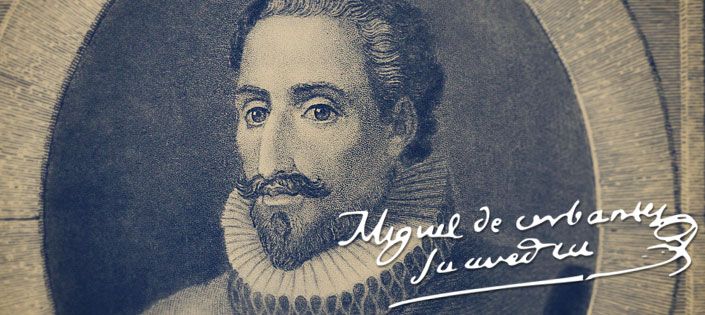
The death of Pedro Calderón de la Barca in 1681 is often seen as the end of the Spanish Golden Age. The Spanish Golden Age was also a successful period for the famous Spanish writer Miguel de Cervantes. Among other things, he wrote the modern novel "Don Quixote," one of the most famous novels in Spanish history. In addition to novels, Cervantes also wrote several plays. Miguel Cervantes played a major role in Spanish history and this can still be seen today on the Spanish 10, 20 and 50 cent euro coins.

Spain 'El Siglo de Oro' is the Spanish name for the Spanish Golden Age. The 17th century in Spain was the most prosperous period in Spanish history. spanish culture, spanish history, culture in spain, spanish art, spanish golden age Off <!-- Revive Adserver Etiqueta JS asincrónica - Generated with Revive Adserver v5.0.2 --><ins data-revive-zoneid="7" data-revive-id="ec923599c3fad9b044f22a6a73433428"></ins><script async src="//ads.iegrupo.com/www/delivery/asyncjs.php"></script> Samentha Geerts

Las Meninas. Spanish painting | donQuijote

Submitted by Anonymous (not verified) on Mon, 12/02/2013 - 01:00
Las Meninas Las Meninas by Velazquez is one of the most famous Spanish paintings ever. Its Dutch name is The Court Ladies. Spanish culture with don Quijote! las meninas velazquez

One of the most famous Spanish paintings

Las Meninas was created by Spanish painter Diego Velázquez. One of the most famous Spanish painters of the golden age, he created many portraits of the Spanish royal family. The Dutch name for Las Meninas is De Hofdames.

Velazquez

Born in Seville, Diego Velázquez began painting at a very young age. At 12, Velázquez was an apprentice painter with Francisco Pacheco. When he moved to Madrid in 1622, he attracted the attention of Spain's King Philip IV.

In 1629, Velázquez left for Italy for a year and a half to study his classical predecessors. All at the expense of Spanish King Philip IV. Upon his return, Velázquez became the court painter of the Spanish royal house. In 1649, he went to Italy again, but this time to procure art for King Philip IV.

Las Meninas is one of the first modern Spanish paintings. A modern painting makes you think about everything on the canvas.

At the center of the painting is the Spanish princess, she was the apple of the family's eye, and at the time the only living child of King Philip IV. It is unusual for a princess to be the center of a painting. At the time the painting was made, princesses were often married to cousins or uncles in the family, to ensure that there was a male heir to the throne.

Everything on the life-size canvas makes the viewer think. For example, the painter has depicted himself, at work, on the canvas. It looks like he is painting Las Meninas. This is not the only thing that makes the viewer think. For example, all the persons in the painting, are looking outside the painting. There is also a mirror painted on the canvas. In this mirror the faces of the royal couple can be seen. The viewer is like the royal couple, we look out over the artist's studio, and the viewer is portrayed.

The main question all this raises is, am I looking at the painting or is the painting looking at me? Find out the answer for yourself during a visit at the Prado Museum in Madrid.

Spain Las Meninas by Velazquez is one of the most famous Spanish paintings ever. Its Dutch name is The Court Ladies. Spanish culture with don Quijote! spanish painting las meninas, velazquez, las meninas Off <!-- Revive Adserver Etiqueta JS asincrónica - Generated with Revive Adserver v5.0.2 --><ins data-revive-zoneid="7" data-revive-id="ec923599c3fad9b044f22a6a73433428"></ins><script async src="//ads.iegrupo.com/www/delivery/asyncjs.php"></script> Samentha Geerts

British Council Says Spanish is Top Language to Learn

Submitted by Anonymous (not verified) on Thu, 11/28/2013 - 01:00
British Council Says Spanish is Top Language to Learn Language Learning: A recently published report has confirmed what most linguists were thinking: For the UK population Spanish is the best language to learn! British Council Says Spanish is Top Language to Learn

Language Learning

A report published this month by the British Council, entitled Languages for the Future, has confirmed what most linguists and anyone who takes an interest in languages were thinking: Spanish is the best language for the UK population to learn. With an overall ‘score’ of 76, it easily surpasses Arabic (54), which takes second place, and French, Mandarin Chinese and German making up the top five.

The report employed a variety of measures to determine the ten languages considered most important to the United Kingdom’s economic, cultural and diplomatic future. Among these factors included the destinations of British exports, the UK government’s commercial and diplomatic priorities, the value of emerging markets, as well as the most popular holiday destinations for Britons, and the ability of other countries to speak English. The document highlights the missed opportunities that stem from a lack of language-speaking abilities among Brits.

The key message of the research was the “alarming” absence of language-skills among the British public. According to a survey carried out on 4,000 adults by the polling organization YouGov, 75% were unable to even hold a conversation in a language other than English. Only 4% could do this in Spanish, a worrying figure given the growing importance of Spanish in an ever-globalized world of over 400 million native Spanish speakers (compared to 335 million native English speakers).

Looking at the indicators more closely, it’s unsurprising that Spanish holds top spot. Its value in UK exports and business activities is broad and growing: Spain is Great Britain’s eight-largest trading partner – rising to 5th position when eliminating English-speaking nations and grouping Francophone Belgium and France together – and 34% of British companies state that Spanish is important to their growth. By examining the list of emerging markets, Spanish-speaking nations occupy 4 of the 30 most important developing economies, the same number as English-speaking countries. In fact, by 2030, the Mexican economy is expected to have outgrown that of the UK.

From a cultural perspective as well, Spain is the most popular non-English speaking country for British tourists, and no Hispanic country features highly on the list of English proficiency. What’s more, the Foreign & Commonwealth Office is pouring resources into boosting diplomatic presence in South America, at a time when Anglo-Hispanic relations features prominently in the news with respect to two of Britain’s overseas territories.

Study Spanish

Alongside the British Council’s own investigations, there exist other advantages to learning Spanish as a second language. It happens to be an official language of most of the world’s international organizations, for example the United Nations and the International Labor Organization, as well as pan-Latin American bodies. Aside from economic and political factors, learning Spanish enhances your understanding of the cultural and social aspects of Spain and Latin America that are important to their identity. Furthermore, the health benefit of learning a second language cannot be underestimated: a recent medical report suggests that the ability to speak a language other than your mother-tongue delays the onset of Alzheimer’s disease by about four years.

So these are just some of the reasons why you should head over to Spain or Latin America and speak Spanish!

Language Language Learning: A recently published report has confirmed what most linguists were thinking: For the UK population Spanish is the best language to learn! study spanish,language learning,learning languages,spanish immersion,importance of spanish Off <!-- Revive Adserver Etiqueta JS asincrónica - Generated with Revive Adserver v5.0.2 --><ins data-revive-zoneid="7" data-revive-id="ec923599c3fad9b044f22a6a73433428"></ins><script async src="//ads.iegrupo.com/www/delivery/asyncjs.php"></script> Matthew Walters

The Spanish Civil War | donQuijote

Submitted by Anonymous (not verified) on Mon, 11/25/2013 - 01:00
The Spanish Civil War The painting, Guernica by Pablo Picasso is one of the most important works depicting the Spanish Civil War. spanish civil war

When the Republicans won the elections in 1931 with a small majority, the Spanish monarchy came to an end. This caused some conflicts in Spain and strong antagonisms arose between the left (republicans) and the right (nationalists).

After the elections in 1931, major antagonisms arose between the left and the right. In the end, the small left majority provided a very leftist constitution to the annoyance of the nationalists. In 1932, the nationalists tried to carry out a coup, but failed. New elections took place in November 1933 and the right-wing parties won. This went well until October 1934. Then a very right-wing party joined the government and this caused uprisings from the left. The leftist leader called for a revolution and during this uprising Catalonia declared independence.

The civil war had begun

In February 1936, new elections took place between the republicans and the nationalists. With a small majority, the republicans won again. In April that year, there were attacks claimed by right-wing groups. The civil war had begun. When the murder of José Calvo Sotelo took place in July 1936, it prompted the army of Spanish Morocco, led by Francisco Franco, to advance into the Spanish peninsula. Soon Cadiz, Zaragoza, Seville and Burgos joined the nationalists led by Franco.

The nationalists received voluntary support from Germany and Italy. The republicans received support from Russia. The nationalists had an army with a large military background. Consequently, this ensured that by 1936 50% of the Spanish peninsula was already in the hands of the nationalists. Especially the Basque Country and Catalonia were difficult to overcome. In 1937 Bilbao was conquered and in 1938 the Nationalists were most successful, gaining control of Catalonia. Only the major cities of Barcelona, Valencia and Madrid were not yet in Nationalist hands. When at the end of 1938 the Russians withdrew, it was only a matter of time before the republicans were overcome. Barcelona was conquered in January 1939 and Valencia and Madrid followed in April that year.

Guernica

During the Civil War, a major bombardment took place in Guernica. This bombing took place under the leadership of Francisco Franco and killed 1,500 people and wounded 800. This bombing shook all of Western Europe. Pablo Picasso created a giant painting of the city of Guernica. Picasso did not depict what the city looked like during the war. Picasso wanted to convey the feeling people had during this bombing.

Spain The painting, Guernica by Pablo Picasso is one of the most important works depicting the Spanish Civil War. pablo picasso, guernica, spanish civil war, picasso guernica Off <!-- Revive Adserver Etiqueta JS asincrónica - Generated with Revive Adserver v5.0.2 --><ins data-revive-zoneid="7" data-revive-id="ec923599c3fad9b044f22a6a73433428"></ins><script async src="//ads.iegrupo.com/www/delivery/asyncjs.php"></script> Samentha Geerts

Top 10 Museums in Spain | donQuijote

Submitted by Anonymous (not verified) on Wed, 11/20/2013 - 01:00
Top Ten Museums in Spain Art and Culture in Spain: Our Top Ten Spanish Museums will give you a taster of Spain’s proud to celebrate its internationally-acclaimed artists. Top Ten Museums in Spain

Spanish Art: Broadening your cultural horizons

Although stereotypically associated with sun, sea and sand, Spain offers much more than just a summer glow. From Velázquez to Dalí, Ribera to Miró and El Greco to Picasso, Spain has produced some of history’s most influential, revolutionary and highly-esteemed artists. So why not mix things up this year during your holiday to Spain and replace a day of soaking up the rays with a day of cultural enrichment!? In alphabetical rather than preferential order, the featured Top Ten Spanish Museums below will simply give you a taster of a country proud to exhibit and celebrate the enduring talents of its internationally-acclaimed artists.


Fundación Joan Miró1. Fundación Joan Miró - Barcelona


Within the confines of an incredibly-striking, contemporary and almost Lego-like white building, visitors will find themselves in awe of the sheer number, quality and diversity of the artwork produced by Barcelona-born painter, sculptor and ceramicist, Miró. With more than 14,000 pieces of artwork to observe, tourists will certainly leave with a much greater insight into the life of this 20th Century artistic genius.


Sevilla2. Museo de Bellas Artes - Seville


Priding itself on the display of the colossal altarpiece paintings which characterized the artwork of the 17th Century Seville school, the city’s Museum of Fine Arts completely captivates its visitors with its beautifully-detailed, and primarily religious, collections as soon as they pass through the former convent’s cloistered doorways. Greeted by works from El Greco, Velázquez, Murillo and Cano amongst many others, Spanish Golden Age art enthusiasts will find themselves in Baroque heaven.


Valencia3. Museo de Bellas Artes - Valencia


Artwork aside for a momentito, Valencia’s Museum of Fine Arts with its two grand towers, sapphire-tiled dome and charming courtyard is truly a marvel to behold in all its architectural glory. And beyond the spectacular façade, the museum showcases, most notably, an abundance of 17th Century art including Goya’s striking portraits and El Greco’s monumental religious iconography.


Bilbao4. Museo Guggenheim - Bilbao


Reminiscent of a large, distorted and multiple-layered reflective mirror, Bilbao’s Guggenheim Museum is impossible to miss. Although the building’s utterly unique exterior design is a work of art in itself, it is only once inside that visitors can fully appreciate the ingenuity of the world’s greatest contemporary and modern artists. From Serra’s steel sculptures to Warhol’s renowned pop art, every room celebrates the daring and innovative approaches taken by these artists who, even if unconsciously, made art history.


Reina Sofia Museum5. Museo Nacional Centro de Arte Reina Sofia (MNCARS) - Madrid


Home to what is arguably Picasso’s most famous, and extremely thought-provoking, painting, “Guernica”, in addition to a profuse number of Dalí’s cubist works, the MNCARS is a must-see when visiting the Spanish capital. Always changing thanks to the two floors solely devoted to temporary exhibitions, the museum strives to treat its visitors to a constant flow of the most internationally-celebrated modern and contemporary works of art history.


6. Museo Nacional d'Art de Catalunya (MNAC) - Barcelona


With breathtaking views over Barcelona’s world-famous, urbanized landscape, the neo-baroque Palau Nacional is the stately (and justifiably so given its prestigious and profuse art collection!) home to the Catalan capital’s National Art Museum. With more than 260,000 art pieces, the museum’s highlight has to be its Roman frescoes which were remarkably saved from destruction during the Spanish Civil War and are still beautifully-maintained to this day.


The Prado Museum in Madrid7. Museo Nacional del Prado - Madrid


No sightseeing tour around Madrid would be complete without a visit to Spain’s largest art museum. Simply known as El Prado, the museum not only boasts a multitude of the finest paintings of the Spanish Golden Age but also contains one of the largest sculpture collections in Europe. With the chance to see Velázquez’s “Las Meninas”, Bosch’s “The Garden of Delights” and Murillo’s “Immaculate Conceptions” along with an estimated further 4,800 exquisitely-detailed paintings all in just one building, what are you waiting for?


Picasso Museum8. Museo Picasso - Barcelona


Giving particular attention to his formative years but, equally taking its visitors on an artistic journey through the numerous and diverse periods which characterized his extensive career, Barcelona’s Picasso Museum successfully captures the essence of an artist whose work changed almost beyond recognition as he transformed from child prodigy to legendary Cubist.


Dali Museum 9. Teatro-Museo Dalí - Figueres


As eccentric as the artist and his surrealist work, the Dalí Theatre-Museum building with its almost fuchsia-colored and egg-covered design is certainly unique in appearance and, unsurprisingly, continues to entice the intrigued sightseer all year round. Within the dream-like walls, visitors are taken further into Dalí’s imagination and are welcomed by a profusion of paintings, sculptures, 3-dimensional collages and mechanical devices all created in the distinctive and fascinating Dalí style.


Thyssen Museum 10. Thyssen-Bornemisza Museum - Madrid


Behind the magnificent terracotta walls of the neoclassic Villahermosa Palace hang almost 1000 incredibly-diverse paintings which enable the admiring observer to appreciate the versatility of art through the ages as a form of creative expression. Displaying works from the Renaissance to the Mannerism period, Baroque to Rococo and Romanticism to Pop Art, the museum justly deserve her place in the so-called Madrilenian Golden Triangle of Art.


Spain Spain Art and Culture in Spain: Our Top Ten Spanish Museums will give you a taster of Spain’s proud to celebrate its internationally-acclaimed artists. spanish culture,guggenheim bilbao,spanish art,culture in spain,museums in spain,prado madrid,art in spain Off <!-- Revive Adserver Etiqueta JS asincrónica - Generated with Revive Adserver v5.0.2 --><ins data-revive-zoneid="7" data-revive-id="ec923599c3fad9b044f22a6a73433428"></ins><script async src="//ads.iegrupo.com/www/delivery/asyncjs.php"></script> Abigail

Rural tourism on the Costa Blanca | donQuijote

Submitted by Anonymous (not verified) on Mon, 11/18/2013 - 01:00
Rural tourism on the Costa Blanca Rural tourism on the Costa Blanca: vast nature, ideal vacation climate and sustainability awareness. Rural tourism on the Costa Blanca

Rural tourism on the Costa Blanca

Besides the sol y playa tourism, quality, rural & nature tourism plays an increasing role within tourism in Spain. The interior of the Costa Blanca is still partly undiscovered and offers many opportunities for vacations that are more exploratory and more focused on the experience of an authentic Spanish environment.

Furthermore, it seems that tourists are also increasingly looking at the sustainability of a destination and this is where Spain could excel. For example, in the use of solar energy and the use of water-saving techniques. Two aspects that are right up Spain's alley. After all, there is a lot of sun and little water. This makes sustainability a logical concept that suits the country and climate! Furthermore, concepts such as Glamping (glamorous camping) etc. are easier to realize due to the climate than in other countries.

La Comunidad Autonoma Valenciana has an estimated 9,000 beds in Casas Rurales and similar enterprises in 2012. A Casa Rural is a general description of private and business properties that are generally rural and operated as tourist properties. The Costa Blanca that lies within La Comunidad Autonoma Valenciana and accounts for 5.3 million tourists. The climate here is described as the best and healthiest in Europe by the World Health Organization.

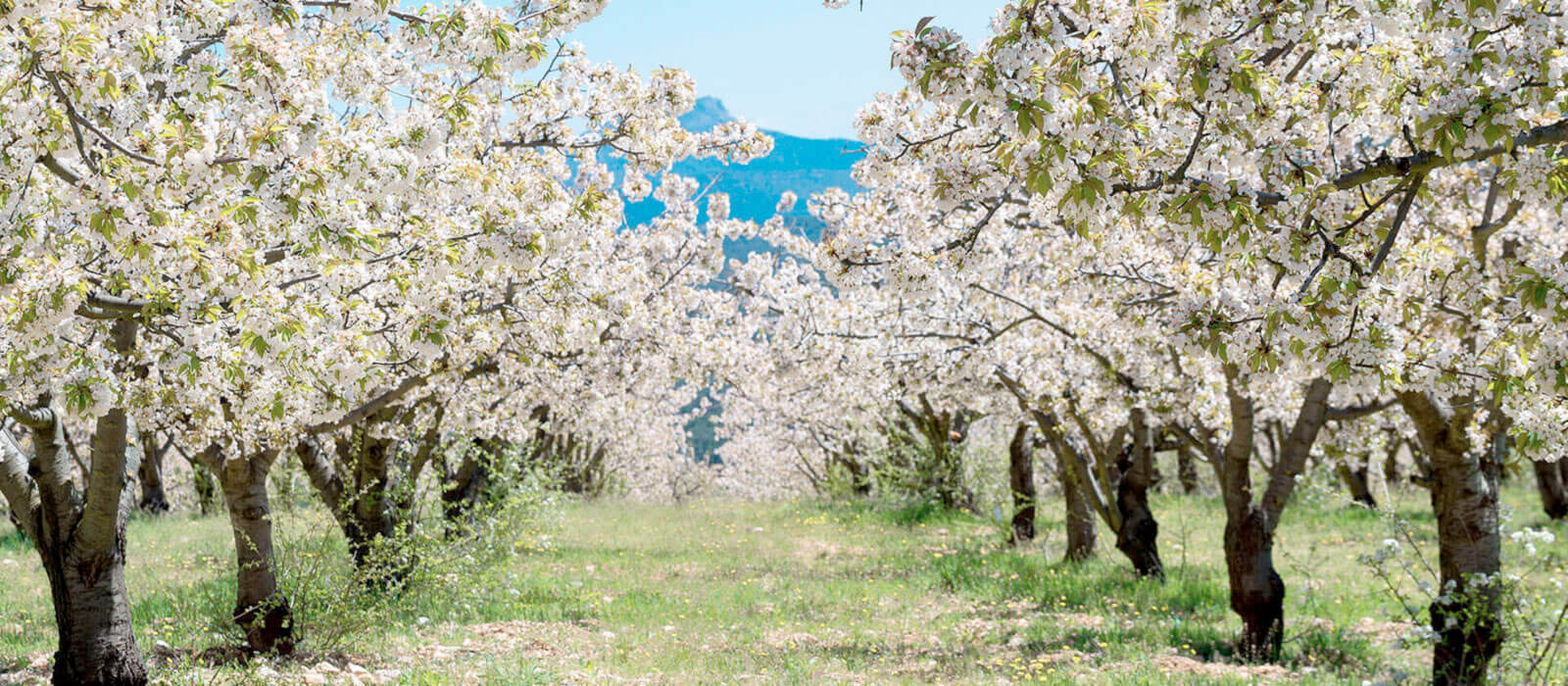
So an ideal vacation climate with very long seasons. When the Dutch roads are actually constantly glistening with drizzle, rain, hail or later covered with a white layer, it is spring here. In January and February the almonds are in bloom and the winter wheat is sown, the cycling teams from Belgium and the Netherlands come here to train and this Spanish state hosts many hikers, sports climbers and golfers from northern Europe. Above all, come and enjoy this beautiful part of Spain and its vast nature.

Rural tourism on the Costa Blanca: vast nature, ideal vacation climate and sustainability awareness. rural tourism on the costa blanca, sustainability in spain, la comunidad autonoma valenciana Off <!-- Revive Adserver Etiqueta JS asincrónica - Generated with Revive Adserver v5.0.2 --><ins data-revive-zoneid="7" data-revive-id="ec923599c3fad9b044f22a6a73433428"></ins><script async src="//ads.iegrupo.com/www/delivery/asyncjs.php"></script> Refugiomarnes.com
Subscribe to

Manage cookie consent

Cookies on this website are used to personalize content and ads, provide social media features and analyze traffic. In addition, we share information about your use of the website with our social media, advertising and web analytics partners, who may combine it with other information you have provided to them or that they have collected from your use of their services. You can learn more in our Cookies policy

Always active

Necessary cookies help make a website usable by enabling basic functions such as page navigation and access to secure areas of the website. The website cannot function properly without these cookies.

Statistical cookies help website owners understand how visitors interact with websites by gathering and providing information in an anonymous form.

Preference cookies allow the website to remember information that changes the way the site behaves or looks, such as your preferred language or the region you are in.

Marketing cookies are used to track visitors on web pages. This is used to show ads that are more relevant and attractive to the individual user, and therefore more valuable to publishers and third-party advertisers.