10 Spanish foods you have to try. Regional guide to Spanish cuisine
Submitted by Anonymous (not verified) on Mon, 08/26/2019 - 02:00
10 Spanish Foods You Absolutely Have to Try: A Regional Guide to Spanish Cuisine 10 Spanish Foods You Absolutely Have to Try: A Regional Guide to Spanish Cuisine

Eating well is part of the Spanish lifestyle! The wide variety of products makes Spanish cuisine one of the richest and most varied in the world. The diversity of cultures, climates, and landscapes has created a great range of meats, fish, seafood, legumes, fruits, and vegetables to taste in each region.

Below, you will find our compilation of some of the most typical Spanish foods you’ll find in the different areas of the country.

If you’d like to practice your reading comprehension as your mouth waters, read this post in Spanish.

Northern Spanish Cuisine:

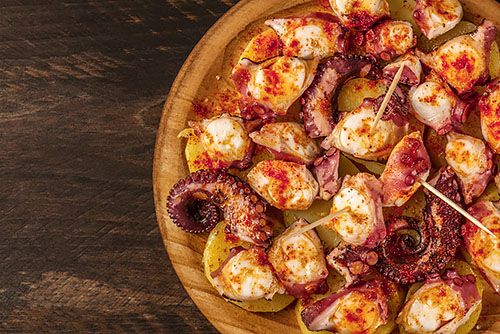
1. Have you ever tried octopus? Pulpo a Feira is probably the most popular recipe in Galician cuisine. However, since food is one of the great tourist attractions of Galicia, this is not an easy call to make. Although there is a huge variety of local fish and seafood, you could argue that the gastronomic treasure of this region is Pulpo a Feira con Cachelos (cooked octopus and potato seasoned with olive oil, salt, and paprika).

2. As we move a little eastward, we reach the Principality of Asturias. Asturian cuisine is perhaps one of Spain’s most varied due to the region’s combination of mountains and sea. However, there is one dish you cannot miss if you go to the land of King Pelayo: La Fabada Asturiana. It is a stew made with fabes (Asturian beans) and compango, a trio of smoked meats (chorizo, morcilla, and tocino).

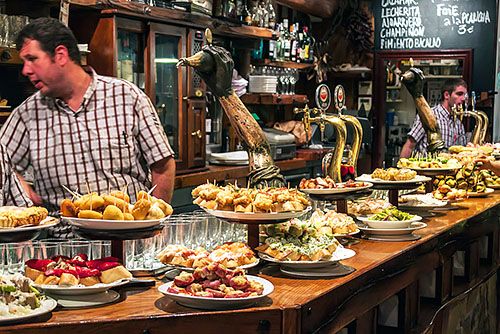
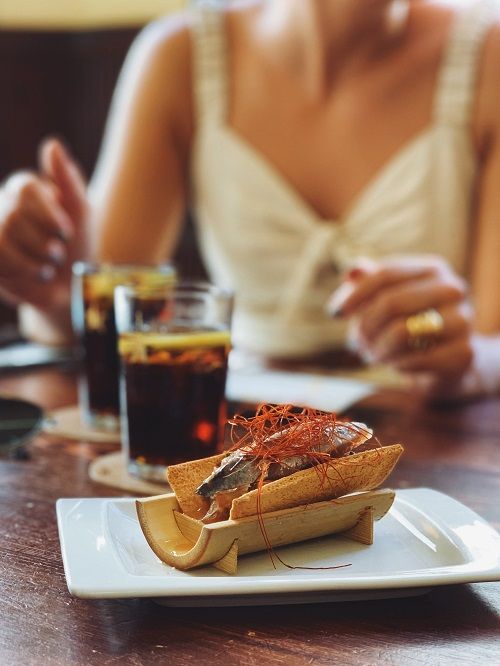
3. Once in the Basque Country and Navarra, you should give the popular pintxos a go. In Gipuzkoa, Donostia, and Pamplona, ​​one of the most beloved customs among food lovers (a group that includes almost all the locals) is to go out for pintxos. Tourists who visit this area of ​​Spain for the first time are surprised by the counters of the different bars and restaurants, which are full of this delicious delicacy. Normally, a pintxo consists of a slice of bread with food on top.
Spanish Mediterranean Cuisine:

4. Arriving at the Spanish Mediterranean coast, we will taste the famous pan tumaca, or bread with tomato. It is considered one of the oldest and simplest examples of Mediterranean cuisine, and although it has spread throughout Spain (especially as a breakfast food), it is a recipe especially typical of ​​Catalonia.

5. If we head south, we will reach the Valencian Community. Along with Spanish tortilla, paella is surely one of the most internationally known dishes of Spanish cuisine. But not everyone knows where this recipe comes from. Although there are many variants nationwide, the most authentic one is paella Valenciana, which only contains rice, saffron, rabbit and/or chicken, green beans, and garrofones (a typical type of bean from the region).

Southern Spanish Cuisine:

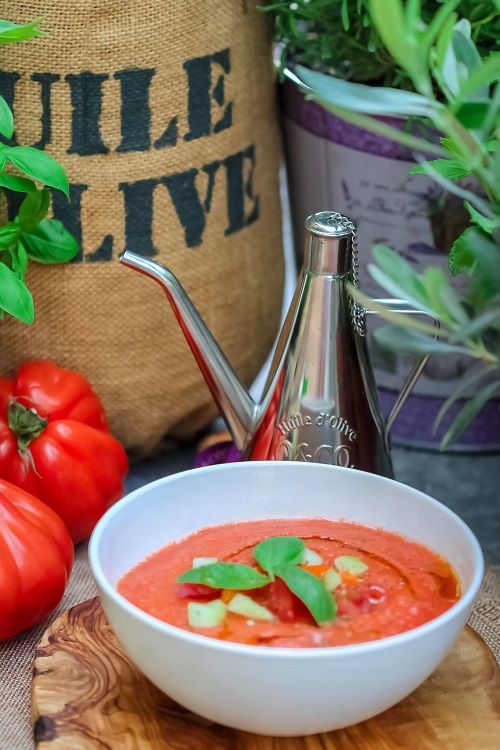
6. Gazpacho is possibly the most refreshing dish of all Spanish cuisine. Although it is common in the whole country, it is the star dish of Andalusia. Gazpacho is consumed especially in summer (since it is a cold soup made with tomato, peppers, garlic, hard bread, cucumber, olive oil, and vinegar) and must be served very cold.

7. There is no person in the world (or at least there shouldn't be) who has gone to the Canary Islands and left without tasting their famous papas arrugadas (literally, wrinkled potatoes). They are made with the so-called papas bonitas (“pretty potatoes”), one of the hallmarks of the archipelago. The skin of these very small and soft potatoes is so thin that it’s common to eat the potatoes without peeling them. You just cook the potatoes with salt and make the mojo (a special sauce made with local ingredients). The mojo is usually green (made with coriander) or red (watch out, it’s a bit spicy).
Inland Spanish Cuisine:

Although Spain is a country famous for its wonderful beaches, the interior of the country is also worth visiting, and it’s full of good recipes to discover.

8. One of the most typical dishes in the Spanish heartland is cocido. Due to its great caloric value, this very filling stew is usually eaten in winter. Although there are different variants (the best known are the montañés and the madrileño), the common procedure is to serve it in several separate dishes. The first is usually a soup, and the second consists of chickpeas and potatoes garnished with meat and vegetables. The broth obtained when cooking this garnish is used to make the soup.

9. Blood sausage is a very typical food in Spain too, especially in Castile and Leon. There are different varieties according to the province, but perhaps the most characteristic is the morcilla de Burgos. This sausage is made with pork blood, onion, lard, salt, ground pepper, sweet paprika, and rice, which is the ingredient that distinguishes it from other types of morcilla.

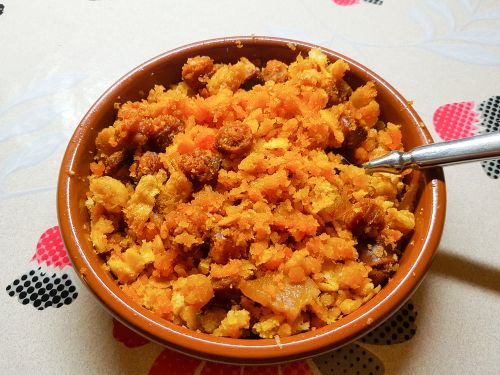
10. And, finally, we have migas del pastor (literally, shepherd’s crumbs). It is said that this recipe is a legacy from the Muslim people in Spain, and it’s typical in regions where there is a strong transhumant tradition. This dish is made mainly with breadcrumbs accompanied by meat and chopped vegetables. Although migas were traditionally consumed in rural settings, today they can also be found in many restaurants located in urban centers.
Which Spanish dish do you want to try first?

Spain 10 Spanish foods you absolutely have to try when you visit Spain. Find here a regional guide to Spanish cuisine. Off <!-- Revive Adserver Etiqueta JS asincrónica - Generated with Revive Adserver v5.0.2 --><ins data-revive-zoneid="7" data-revive-id="ec923599c3fad9b044f22a6a73433428"></ins><script async src="//ads.iegrupo.com/www/delivery/asyncjs.php"></script> Maria Martin

Nation Branding: What is Global Spain? | donQuijote

Submitted by Anonymous (not verified) on Mon, 07/29/2019 - 02:00
Nation Branding: What is Global Spain? When you think about Spain, what are the first things that come to mind? Fiestas and siestas, bullfighting and flamenco, or maybe beaches and tapas? While all these things do exist in Spain, they also contribute to a stereotypical vision of the country. Nation Branding: What is Global Spain?

When you think about Spain, what are the first things that come to mind? Fiestas and siestas, bullfighting and flamenco, or maybe beaches and tapas? While all these things do exist in Spain, they also contribute to a stereotypical vision of the country.

So how can you scrape below the surface and get a deeper look at modern Spain? That’s a question Spain’s nation branding project has been trying to answer since 2000, when the Marca España (Spain Brand) campaign was launched to promote the country’s strengths and build its image at home and abroad. In November 2018, the project was renamed España Global or Global Spain.

This fresh take on Spain’s strong suits highlights 20 different fortes in 3 categories:

Full Democracy: Democracy, Equality, Justice, Freedom, Security

Modernity: Science, Competitiveness and Innovation, Infrastructures, Globalization, Healthcare, Sustainability, Technology

Citizenship: Culture, Health, Sport, Europeanism, Language, Solidarity, Tolerance, Tourism

That’s a lot of strengths! In today’s post, we’ll take a closer look at a few of them. Click here to read this post in Spanish.


The Healthiest Country in the World

Did you know Bloomberg’s Healthiest Country Index 2019 named Spain the healthiest country in the world? A top-notch universal healthcare system, the traditional Mediterranean diet, and the European Union’s highest life expectancy at birth were among the factors that helped Spain clinch the title.


Historic, Cultural, and Natural Heritage

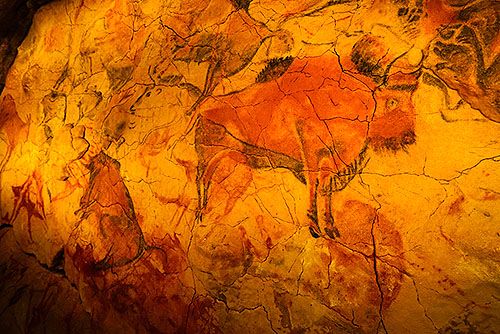
Spain ranks third worldwide in number of UNESCO World Heritage Sites. See how many of the 47 you can cross off your bucket list! From the Cave of Altamira and Paleolithic Cave Art of Northern Spain and the Alhambra in Granada to the Old City of Salamanca and the Works of Antoni Gaudí in and near Barcelona, you can explore the many wonders of Spain’s millenary history all around the country.

As for UNESCO’s List of Intangible Cultural Heritage, Spain comes in fourth with 18, including Valencia’s Fallas festivity and the fiesta of the patios in Cordoba.

Beach lovers take note! In 2019, Spain earned 666 Blue Flag awards for beaches (566), marinas (98), and sustainable boating tourism operators (2) – that’s more than any other country in the world. Spain also has 49 natural spaces that UNESCO recognizes as biosphere reserves.


Star Athletes

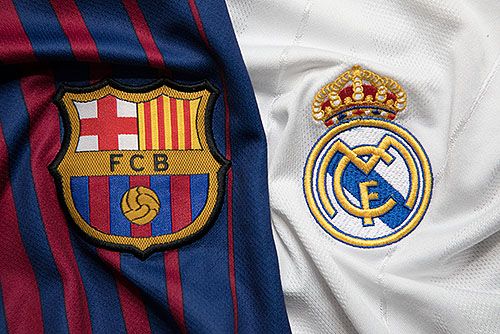
Anyone who’s tuned into the world’s most popular sport knows that Spain is home to two of the most valuable soccer teams on the planet: Real Madrid and Barcelona. Soccer is far from the only sport with Spanish superstars: Rafa Nadal (tennis), Mireia Belmonte (swimming), Fernando Alonso (Formula 1), Marc Márquez (MotoGP), Carolina Marín (badminton) and Pau Gasol (basketball) are just a few Spaniards who have earned international recognition for their athletic prowess.


Commitment to Equality


Spain is a leader in building an equal society. In 2018, Spain made history with a new government boasting the highest percentage of female ministers (over 60%) in Europe and North America. Spain also has the parliament with most gender parity in the European Union, with 47% female representation in 2019.

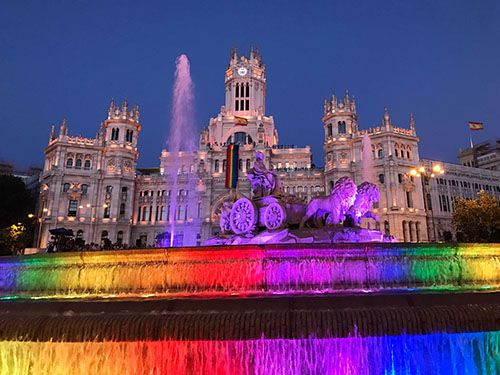
Same-sex marriage and adoption have been legal in Spain since 2005, when Spain became the third country in the world to legalize gay marriage. Every year the country hosts many Pride festivities, with Madrid Pride in the lead as the biggest LGBTQ Pride event in Europe.


The Power of Words

According to a 2018 report by Instituto Cervantes, Spanish is the fastest growing language in the world. It’s an official language in 21 countries and has 577 million speakers. 480 million of those are native speakers, which means that 97 million people learned Spanish as a second language (or third, or fourth…)!! Currently, 7.6% of the world’s population can communicate in Spanish.

Spain also celebrates linguistic diversity. In addition to Spanish, some regions have co-official languages: Basque, Catalan/Valencian/Balearic, Galician, or Aranese.


There are so many other things Spain has to be proud of — we didn’t even mention its innovative chefs, its cutting-edge high-speed train network, or its position as the world leader in organ donation and transplantation. Learn Spanish in Spain and start peeling back the innumerable layers to find all the things that make Spain unique. 

If you’re interested in learning more about international brands, take a look at our video to see how brands change as they move across the world.


Spain Nation Branding: What is Global Spain? The stereotypical vision of the country. Off <!-- Revive Adserver Etiqueta JS asincrónica - Generated with Revive Adserver v5.0.2 --><ins data-revive-zoneid="7" data-revive-id="ec923599c3fad9b044f22a6a73433428"></ins><script async src="//ads.iegrupo.com/www/delivery/asyncjs.php"></script> Vanessa Johnson

Tío Pepe and Schweppes: Two Iconic Brands | donQuijote

Submitted by Anonymous (not verified) on Mon, 07/22/2019 - 02:00
Tío Pepe and Schweppes: Two Iconic Madrid Brands Tío Pepe and Schweppes: Two Iconic Madrid Brands

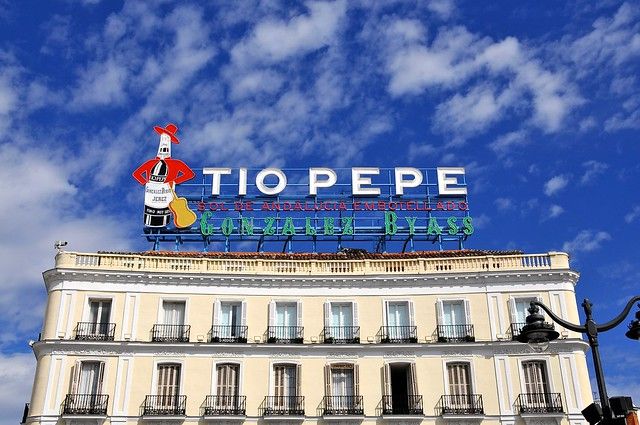
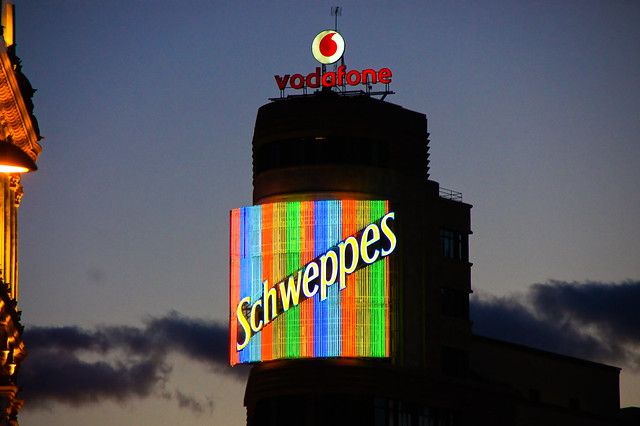
If you ever walk through downtown Madrid, you’ll see two neon signs that have come to form part of the city: the Tío Pepe sign and the Schweppes sign. Located in Puerta del Sol and Plaza de Callao, respectively, these two advertisements have become symbols of Madrid, like the screens of Times Square in New York or Piccadilly Circus in London.

The fact is that these advertising platforms have gone far beyond their original commercial motivation. They are now an integral part of the city’s skyline and appear in all the postcards and tourist photos of the city center. Want to discover how these two brands became icons of Madrid? Keep reading in English or click here to switch to Spanish.

Tío Pepe: Just Another Madrileño

In Puerta del Sol, next to the statue of the Bear and the Strawberry Tree and the Casa de Correos, there’s a monument that’s much less conventional. But that doesn’t mean it inspires any less interest in tourists! The Tío Pepe sign features a bottle of fino wine dressed in a short jacket and matching hat and carrying a Spanish guitar. Its slogan? Sol de Andalucía embotellado (bottled Andalusian sunshine).

The González Byass winery erected the first Tío Pepe sign above the rooftop terrace of Hotel París in 1935 to commemorate the centennial of the winery. At first, the advertisement showed a glass of sherry above the winery sign; it wasn’t until years later that the sign took on its current form.

Speaking of sherry, this English word is actually an anglicization of jerez, which in Spanish is both the name of the wine and the name of the place where it is made. Jerez is one of many Spanish wines with a Protected Designation of Origin.   

The Tío Pepe sign is one of the sights in the capital city that tourists most like to photograph, but it’s also beloved by Madrileños. So much so that in 2011, when the sign disappeared from Puerta de Sol for three years to be restored, lots of people missed it. When the sign returned in 2014, it was pushed out of its original position by the new Apple Store and relocated to the top of a different building in the same plaza.  

Schweppes: Presiding over Callao for 47 Years

This famous brand of tonic water is the star of another one of Madrid’s most emblematic neon signs. Crowning the Carrión building, the Schweppes logo appears in yellow letters over a blinking background of multicolored stripes and has been dominating the panoramic view of Gran Vía since 1972.

Like the Tío Pepe sign, the Schweppes sign marked a turning point in the history of Spanish advertising. As time has passed, it has gone from being just a creative ad to forming part of the city’s collective imagination, an added bonus for the brand.

The Osborne Bulls

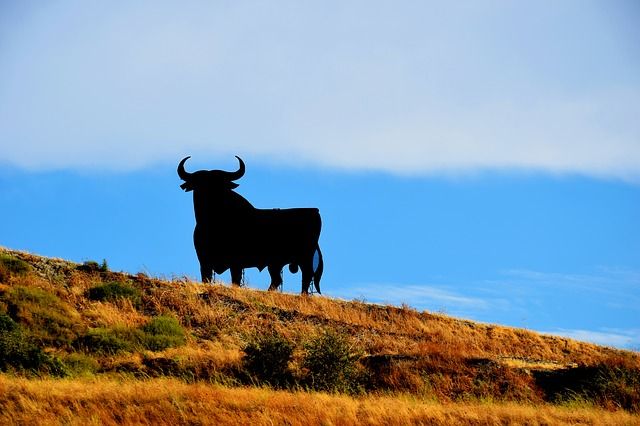
Outside the hustle and bustle of the city, beside many a Spanish highway, one of Spain’s iconic advertisements come into view: the Osborne bulls. These black silhouettes of Spanish Fighting Bulls measure more than 45 feet high. Once again, a winery is behind this iconic advertisement; in this case, the Osborne company.

It’s a funny story. In 1987, the Spanish government banned the use of billboards on the highway to increase road safety. As a strategy to keep its signs up, Osborne decided to paint its already famous bull-shaped billboards completely black, leaving no trace of any reference to the brand. In the end, the bull billboards wound up being protected by the Spanish Supreme Court thanks to their “aesthetic and cultural interest.” In 2017, the Osborne bulls turned 60 years old.

We hope you found this post interesting. Now that you know the ins and outs of Spain’s most famous advertising spaces, we encourage you to watch the following video. In it, you’ll learn more about the world of brands in Spanish. Enjoy!

Spain Tío Pepe and Schweppes: the two iconic Madrid brands in Sol. Off <!-- Revive Adserver Etiqueta JS asincrónica - Generated with Revive Adserver v5.0.2 --><ins data-revive-zoneid="7" data-revive-id="ec923599c3fad9b044f22a6a73433428"></ins><script async src="//ads.iegrupo.com/www/delivery/asyncjs.php"></script> Vanessa Johnson

San Fermin 2019. Spanish tradition | donQuijote

Submitted by Anonymous (not verified) on Thu, 07/04/2019 - 02:00
San Fermin 2019 San Fermin 2019

The Sun Also Rises in San Fermin this 2019

Dear reader, surely at some point you have wished to attend to a festivity so thrilling it is worthy of inspiring a novelist to create his greatest work. And speaking of such novelists, if you´re imagining a novelist so accomplished they have even won the Pulitzer Prize and Nobel Prize in Literature, this festival is indeed a guaranteed success. As many of you might have already guessed, we’re talking about San Fermin.

It is known that Ernest Hemingway felt an attraction so strong for this special celebration that he included it in his novel The Sun Also Rises, but he hasn’t been the only one. Orson Welles, Ava Gardner, Errol Flynn, Deborah Kerr, Charlton Heston, Tyrone Power, Dennis Rodman, Bill Clinton, are few among many other figures in varying fields to form part of this “sanferminera” loyalty.

Keep reading in English, or click here to switch to Spanish, and discover everything you must know about this “bestseller” celebration.

What should I wear?

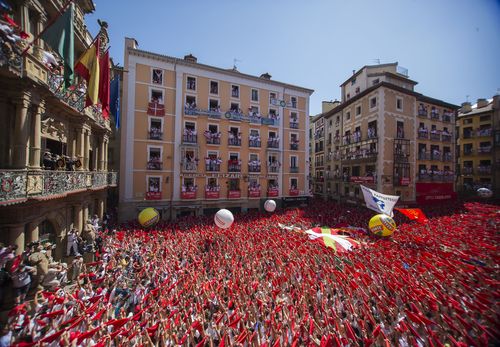
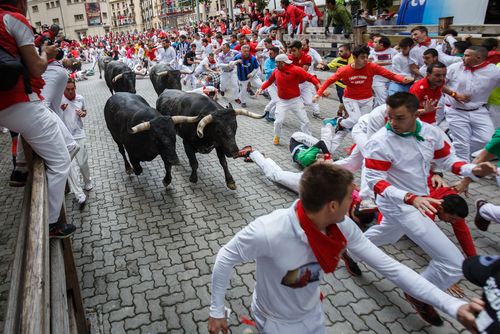
As any significant event, San Fermin has its own rules of etiquette. To become an authentic “pamplonica” you will have to get some white pants, a white T-shirt, a red handkerchief, and a red waistband.

While the tradition of wearing all white is recent, from the 1970s, the red handkerchief has its history. And it remains a mystery, because there still exists several hypotheses about the origin of its red color. One theory explains that it symbolizes the martyrdom of Saint Fermin, who was beheaded at the young age of 31. Other hypotheses say that it’s red to encourage bulls during “encierros” or because of Navarra’s flag.

Remember! Before the “chupinazo” kicks off the festival, the handkerchief must be tied around the wrist. Afterwards, it’s worn around the neck (or wherever you want).

The takeoff

There’s nothing like a traditional song to obtain valuable information:

Uno de enero, 2 de febrero, 3 de marzo, 4 de abril, 5 de mayo, 6 de junio, 7 de julio San FerminPamplona hemos de ir.

Ok, after listening the same old song year after year, I think that the most of us have a pretty clear idea about the meeting’s day and location. However! It can lead to error. Yes indeed, San Fermin is July 7th. But the festivity starts every year on July 6th at 12:00 noon. At this moment the “chupinazo” takes place, and fireworks are launched from the balcony of Pamplona’s hall balcony to mark the opening of the “sanfermines.”

This is the moment when you will hear: Pamploneses, Pamplonesas, ¡Viva san Fermin! ¡Gora san Fermin!

Here, if you can’t run, you’d better fly            

At 8 a.m, during two to three minutes, the city’s main street fills with adrenaline. It’s the moment of the world-famous running of the bulls or encierros.

Along a 950-yard-long circuit, bulls and humans compete in a vertiginous race that concludes in the bullring.

According to records, just a 14% of the runners in the “encierro” are from Pamplona. To live out this ‘‘once in a lifetime’’ kind of experience, runners come from all around the world, among them, 20% are American, an 8% are Australians, a 3% are from England, and a 1% are French.

If you’re planning on being one of these brave runners that dare to put themselves in front of six bulls, you better entrust yourself to a saint. That’s why this song exists and is dedicated to our beloved Saint Fermin:

A San Fermín pedimos, por ser nuestro patrón, nos guíe en el encierro, dándonos su bendición.

But San Fermin is not only about running of the bulls. Music too has a presence in all the celebrations, from the “dianas” of "La Pamplonesa" to concerts and traditional charangas to the bullfight’s “pasodobles.”

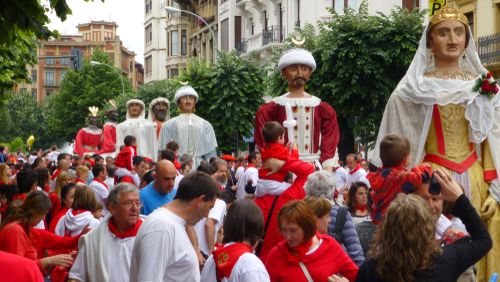
Other predominant activities are the “Riau-Riau,” held on July 6th, and parades, such as the “Giants, big-heads, kilikis, and zaldikos parade” (Giants, with more than 159 years old of history, are the most emblematic symbols of the festivity. They are figures made of wood, cardboard, and cloth that are accompanied by “kilikis,” big-heads, and “zaldikos.” Together, they make up the “Comparsa”). Behind each giant pair, “comparseros,”,bagpipers, and “txistularis” (musicians) set the tone.


Furthermore, every night at 11 p.m, a firework spectacle lasting 15 to 25 minutes is held at the citadel park.

The festivity finishes on July 14th at 12 midnight. If you don’t want to miss it, take a Spanish course and intone perfectly the song that says goodbye until the next year:

¡Pobre de mí, pobre de mí, que se han acabado las fiestas de San Fermín! 


Spain Discover the characteristics of this traditional Spanish festival that takes place in Navarra. It has been celebrated every July 7th since the 12th century. Off <!-- Revive Adserver Etiqueta JS asincrónica - Generated with Revive Adserver v5.0.2 --><ins data-revive-zoneid="7" data-revive-id="ec923599c3fad9b044f22a6a73433428"></ins><script async src="//ads.iegrupo.com/www/delivery/asyncjs.php"></script> Javier Serrano

A tapa to whet the appetite | donQuijote

Submitted by Anonymous (not verified) on Thu, 06/13/2019 - 02:00
A tapa to whet the appetite When you travel to Spain, the first thing you discover is that the Spanish climate invites you to spend a large part of the time outdoors, and most Spaniards maximize the good weather by enjoying one of their most typical customs: the tapeo. A tapa to whet the appetite

When you travel to Spain, the first thing you discover is that the Spanish climate invites you to spend a large part of the time outdoors, and most Spaniards maximize the good weather by enjoying one of their most typical customs: the tapeo.

If you visit a Spanish tapas bar and want to feel like an authentic expert in the field, keep reading in English or click here to switch to Spanish, and discover everything about the wonderful world of tapas.

To become familiar with the topic, we must begin by knowing what a tapa is. According to the Royal Spanish Academy, it is a small portion of food that goes with a beverage.

Origins

This symbol of Spanish gastronomy is surrounded by an aura of mystery as there exist diverse theories about its origin.

Some stories trace it back to the era of King Alfonso X “The Wise,” who decreed that in Castile, wine could not be served without something to eat. The food was usually a slice of ham or a wedge of cheese, and it was placed over the wine glass, covering (tapando) the vessel and keeping flies from touching the liquid inside.

Another possible origin is attributed to another monarch who was also named Alfonso, but lived several centuries later. It is said that on an official trip, King Alfonso XIII stopped to rest in the Ventorrillo del Chato inn, a place that still exists nowadays and that you can visit in Cádiz. The King asked for a glass of wine and, as it was a windy day, the waiter decided to put a slice of ham over the glass to keep the sand from blasting in from the beach. The King liked the idea so much that he ordered another round for himself and all the Court members.

Nowadays

Today, the tapa has grown into something more than just some food that goes with a beverage. It has become a tourist attraction that has crossed borders and that has its own celebration day: World Tapas Day.

During several days, from June 20th to 30th, the tapa becomes the star of simultaneous events in cities across Spain where you will be able to enjoy the local tapas, from the patatas bravas of Madrid, passing through the squid - Orly shrimp duo in Zaragoza to Almeria's octopus.

If your mouth is watering just by reading this, do not hesitate! Take a Spanish course in Spain and taste all the tapa possibilities while you get the skills you need to order them by their real name.

What is clear is that, knowing the origin of the tapa, it’s not surprising that it’s considered a food worthy of a king.

¡Que aproveche!

Spain Spaniards maximize the good weather by enjoying one of their most typical customs: the tapeo. Off <!-- Revive Adserver Etiqueta JS asincrónica - Generated with Revive Adserver v5.0.2 --><ins data-revive-zoneid="7" data-revive-id="ec923599c3fad9b044f22a6a73433428"></ins><script async src="//ads.iegrupo.com/www/delivery/asyncjs.php"></script> Javier Serrano

Solitaire: Play cards with the Spanish deck

Submitted by Anonymous (not verified) on Thu, 01/10/2019 - 01:00
Play cards with the Spanish deck: Solitaire Solitaire is conceived for those moments of boredom or eternal journeys. You only need one Spanish deck and yourself. Learn how to play in Spanish! Play cards with the Spanish deck: Solitaire

Today, we are bringing you a card game you can play without anyone else. Solitaire is conceived for those moments of boredom or eternal journeys. You only need one Spanish deck and yourself. If you want to learn how to play in Spanish, click here and keep on reading!

The only thing you must consider is that you need every single card of the deck to play. If only one of them is missing, you will go crazy looking for it and won’t be able to finish the round.

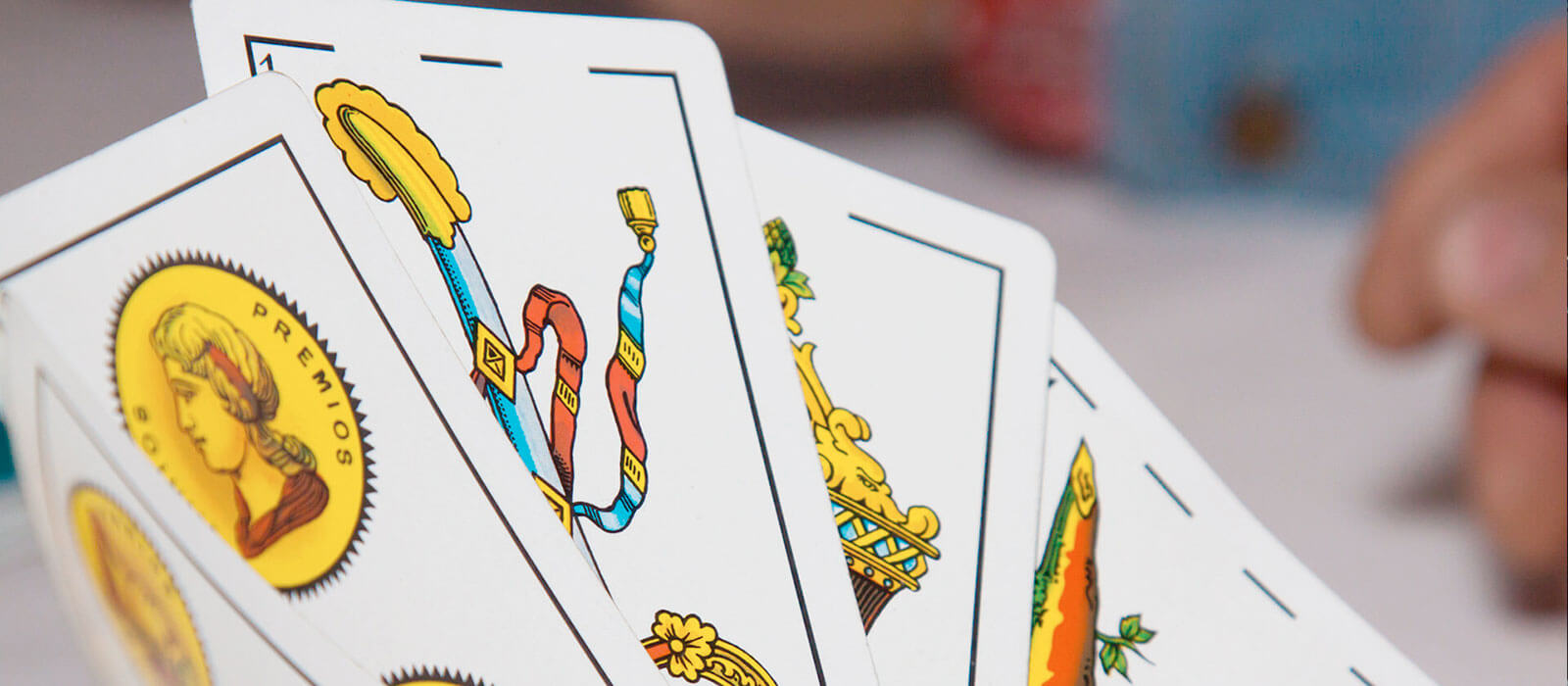
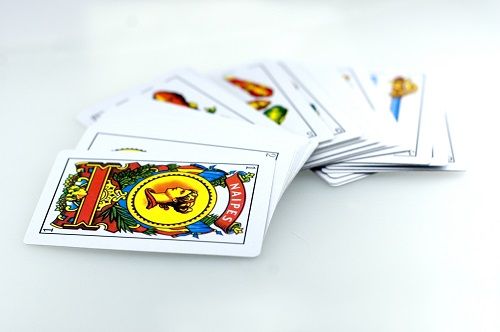
The Spanish deck of cards has four suits and contains 40 or 48 cards, depending on the game. They are used in Spain, some areas of Italy and France, Latin America, and some former imperial colonies. The four suits are copas (Cups), oros (Coins), bastos (Clubs), and espadas (Swords). The cards are numbered from 1 to 9. Then, the face cards 10, 11, and 12 are sota (Jack), caballo (Horse), and rey (King).

Once this is clear, let’s get started.

This game begins with a shuffled deck of cards. The objective is go from having all the cards completely disorganized to having all the cards perfectly sorted. 

To begin with, we will hold the deck face down in one hand.

After that, we need to take pairs of cards out of the deck and place them face up on the table. We can only play with the card on top. The lower one is locked.

Now we should decide whether we want to play sorting the cards up from Ace to King or the other way around. As you wish!

If you choose to play from Ace to King, you will need to draw pairs of cards until the Ace of any suit comes out. Once you see it, place it on the other side of the table.

Do the same with all the other Aces as they appear.

As soon as you have an Ace placed on the table, you can search for the number two of the same suit, even if the other Aces are not out yet. After the number 2, will be looking for the 3, 4, etc. The game ends when you complete all the suits, from Ace to King.

Remember that you can only work with the card on top of each pair. However, once you use this card, the lower one will be unlocked, and it can be used as well.

Let’s say we have the Ace of Coins, the Ace of Cups, the Ace of Clubs and the Ace, 2, and 3 of Swords on the table.

You draw two cards, put them on the table, and see that the top one is the 2 of Coins. As you need it, you place it on top of the Ace of Coins. Now, as you have already used the top layer, you see that behind the 2 of Coins there was a 4 of Swords. And you need it too! Because you have already unlocked it, you can use it straight away.

This way, you will slowly draw all cards and form four new piles, one for each suit. If you finish going through the deck, just put all the cards together (without shuffling) and place them upside down in your hand once more.

Now you can begin drawing cards in pairs again. Continue until all the ones you need come out… or until you rearrange the whole deck!

If you get stuck at any point, you will have to shuffle the deck and keep on trying. This could happen if, for example, there is a 5 of Coins on top of a 4 of Coins.

Now that you know how to play Solitaire with a Spanish deck, get your cards ready and let’s play!

Spain Solitaire is conceived for those moments of boredom or eternal journeys. You only need one Spanish deck and yourself. Learn how to play in Spanish! solitaire, spanish solitaire, solitario, cards playing Off <!-- Revive Adserver Etiqueta JS asincrónica - Generated with Revive Adserver v5.0.2 --><ins data-revive-zoneid="7" data-revive-id="ec923599c3fad9b044f22a6a73433428"></ins><script async src="//ads.iegrupo.com/www/delivery/asyncjs.php"></script> Patricia Mendez

The Three Wise Men tradition | donQuijote

Submitted by Anonymous (not verified) on Thu, 01/03/2019 - 01:00
The Three Wise Men tradition The Three Wise Men tradition

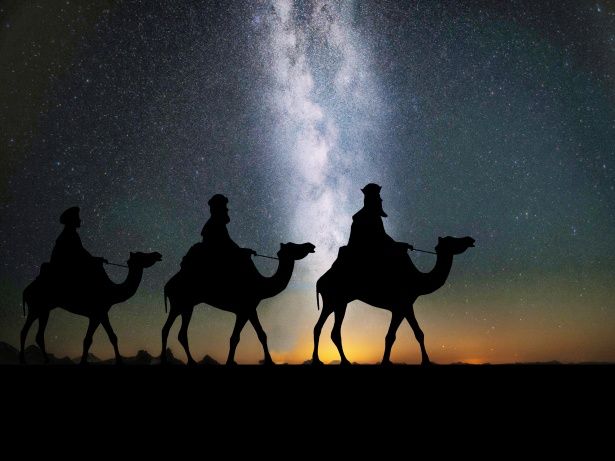
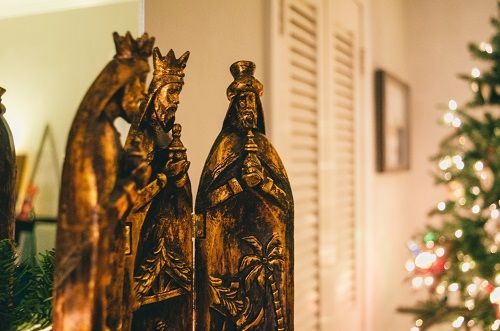
On January 6th Spain celebrates the Epiphany, a national holiday that is traditionally known as día de Reyes (Three Kings’ Day). Parades, presents and, above all, kids' enthusiasm are the protagonists of this day. Melchor, Gaspar, and Balthasar put an end to the holiday season every year, making the dreams of children all around the world come true.

We invite you to discover one of the most beloved traditions in Spain and many countries in Latin America. Continue reading this post in English or click here to switch to Spanish and learn more about it.

The celebration

The Three Wise Men celebrations actually start some weeks before January 6th. From the beginning of the holiday season, children think about the presents they would like to receive and write their letters to the Magicians. In them, kids explain how they have behaved throughout the year and list a number of gifts they would gladly accept.

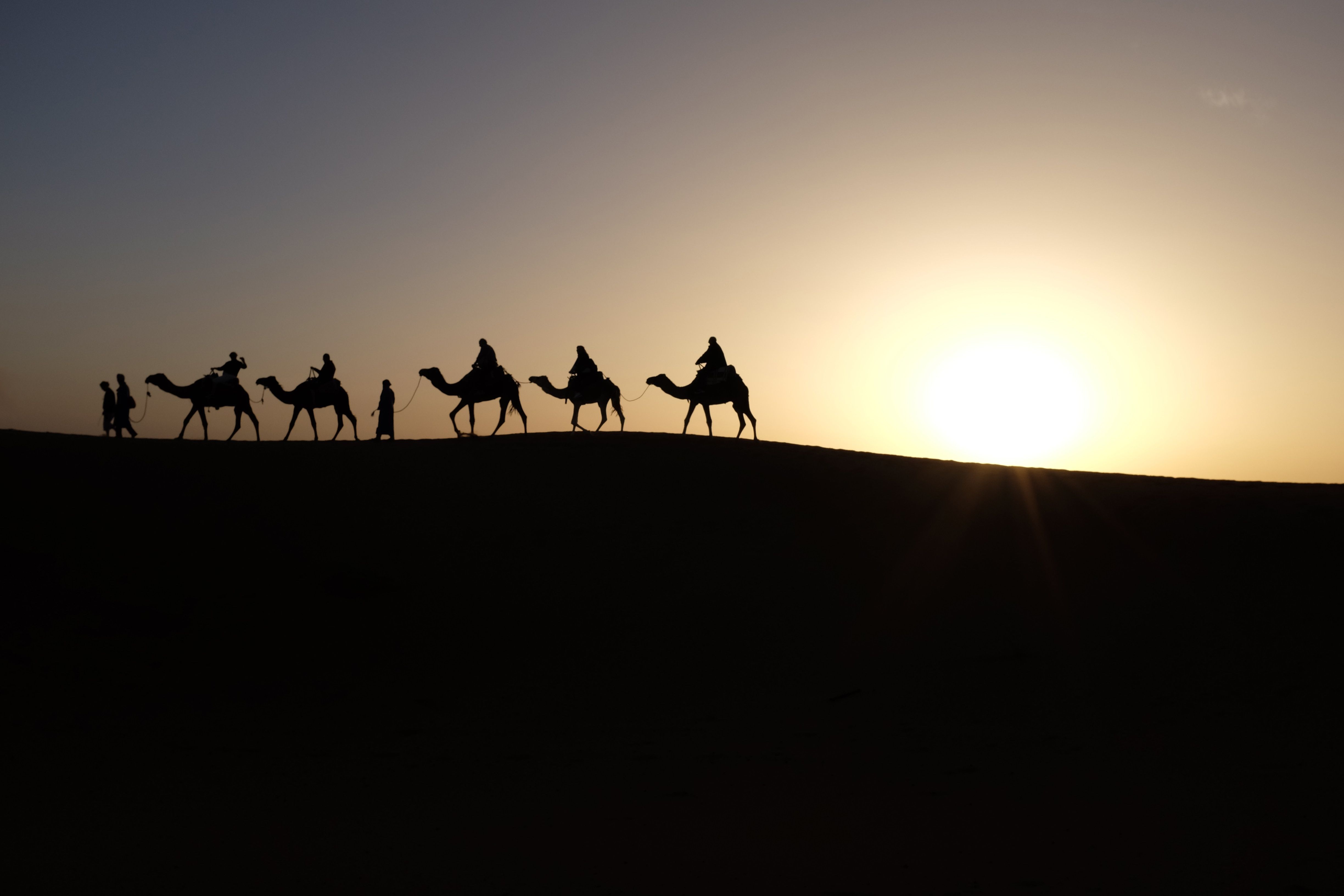
Once the letter is sent, we can only wait eagerly. On January 5th, the Three Wise Men arrive from the East and take the streets to say hello. In the parade, several carriages with special decorations tour around the cities carrying Melchor, Gaspar, and Balthasar. Each king has his own group of pageboys, and all of them throw candies to the parade attendees.

In the early hours of January 6th, while the children are asleep, the Three Wise Men visit each house. They leave their presents under the Christmas tree when no one is watching and then continue with their magical journey. If kids have behaved well, they will enjoy their new toys when they wake up. If, on the contrary, their conduct has not been that good, they will find charcoal instead.

Three Wise Men traditions

Besides writing a letter and attending the parade, there are other typical traditions that take place around these days. Let’s discover some of them.

One of the most exciting moments on January 5th is preparing food and drinks for the Magi and their animals. Before going to sleep, kids leave some sweets and water in the living room so that Melchor, Gaspar, Balthasar, and their camels can have a break after their long journey.

Another thing to get ready before going to bed is placing the shoes under the Christmas tree. Each member of the family leaves a shoe there, so that the Wise Men can tell which present is for each of them.

The most typical food these days is the Kings' cake or roscón de reyes. It is a sweet dough which is decorated with candied fruit, like a royal crown. It can be stuffed with whipped cream and it has two hidden treasures inside: a figurine and a bean. Whoever finds the figurine will earn the crown that comes with the cake. However, if you find the bean in your portion, you have to pay for the cake.

The celebration’s history

This festivity finds its origin in the New Testament of the Bible, where it is written that the Magi from the East traveled all night and took three presents to baby Jesus. Guided by a star, they gave him gold, frankincense, and myrrh.

Through history, this tradition has been modified with new details about its protagonists. For example, at some point they were interpreted as representatives of each continent of the Old World: Europe, Asia, and Africa.

We wish you a happy Epiphany Day!

Spain The Three Wise Men tradition in Spain. Learn all about this Spanish tradition. Off <!-- Revive Adserver Etiqueta JS asincrónica - Generated with Revive Adserver v5.0.2 --><ins data-revive-zoneid="7" data-revive-id="ec923599c3fad9b044f22a6a73433428"></ins><script async src="//ads.iegrupo.com/www/delivery/asyncjs.php"></script> Patricia Mendez

Spanish Ham Croquettes

Submitted by Anonymous (not verified) on Thu, 11/29/2018 - 01:00
Spanish Ham Croquettes Spanish Ham Croquettes

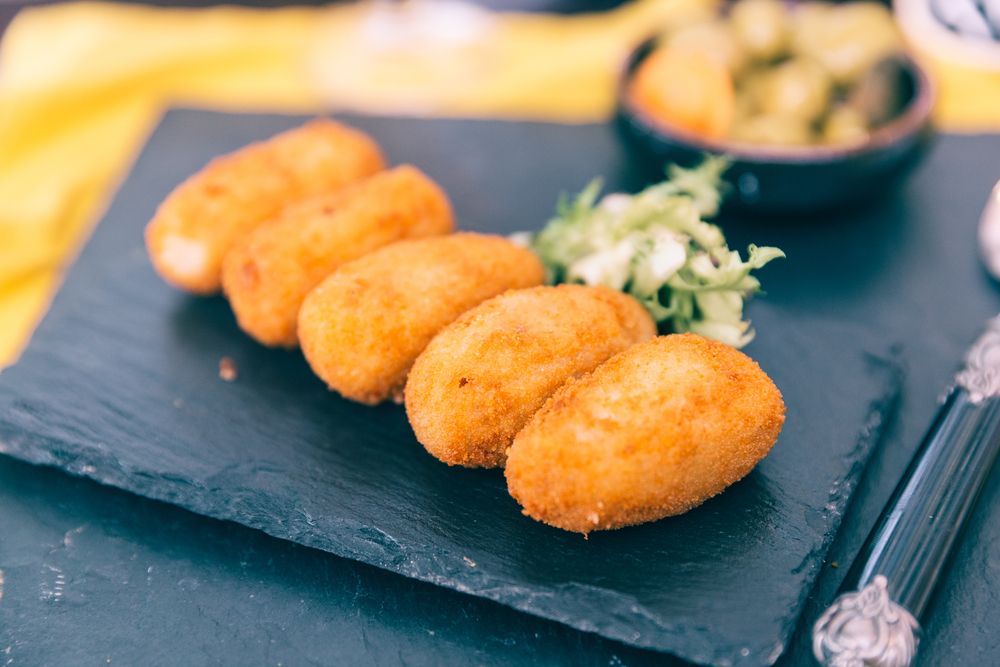
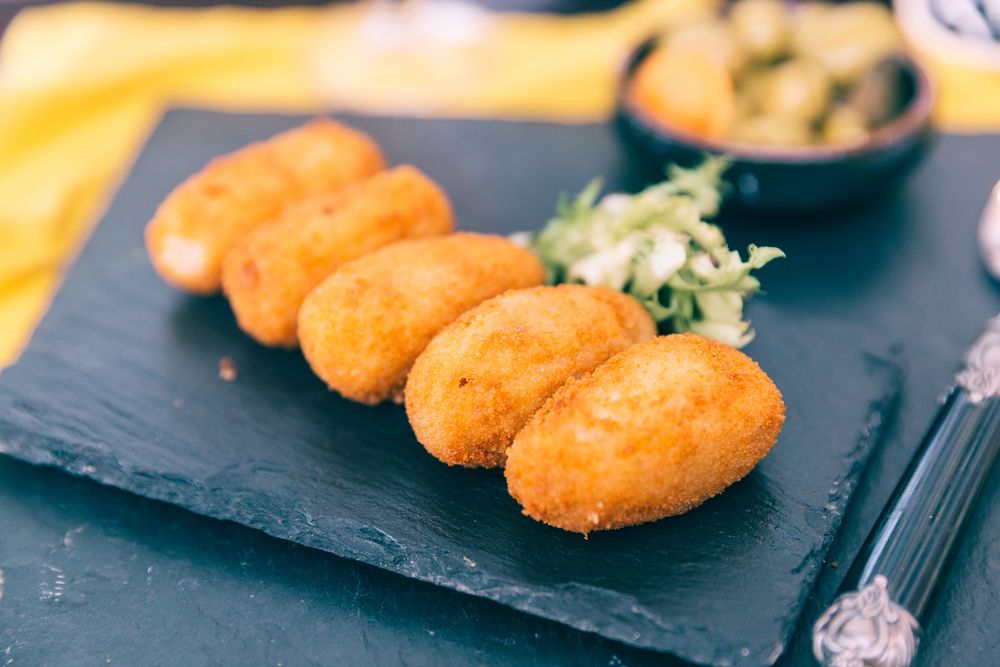
Have you ever tried the famous Spanish ham croquettes?

Why not make them yourself?

Read this article in Spanish

Today, we’re going to put on our aprons and start cooking!

First, we’ll need to get the ingredients together:

To make the croquettes

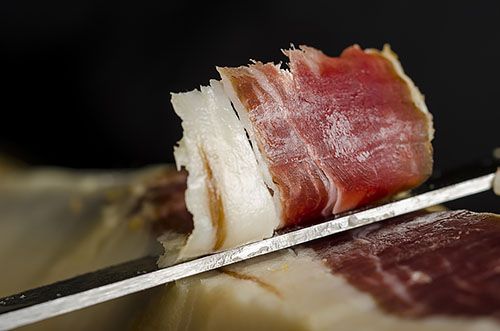
  • 200 g Serrano ham (Spanish cured ham or jamón)
  • 1 onion
  • 1 clove garlic
  • 100 g flour
  • 100 ml olive oil (or 100 g butter)
  • 1 L warm milk

To batter and fry them

  • Flour
  • 3 eggs, beaten
  • Breadcrumbs
  • Olive oil

Is everything ready?

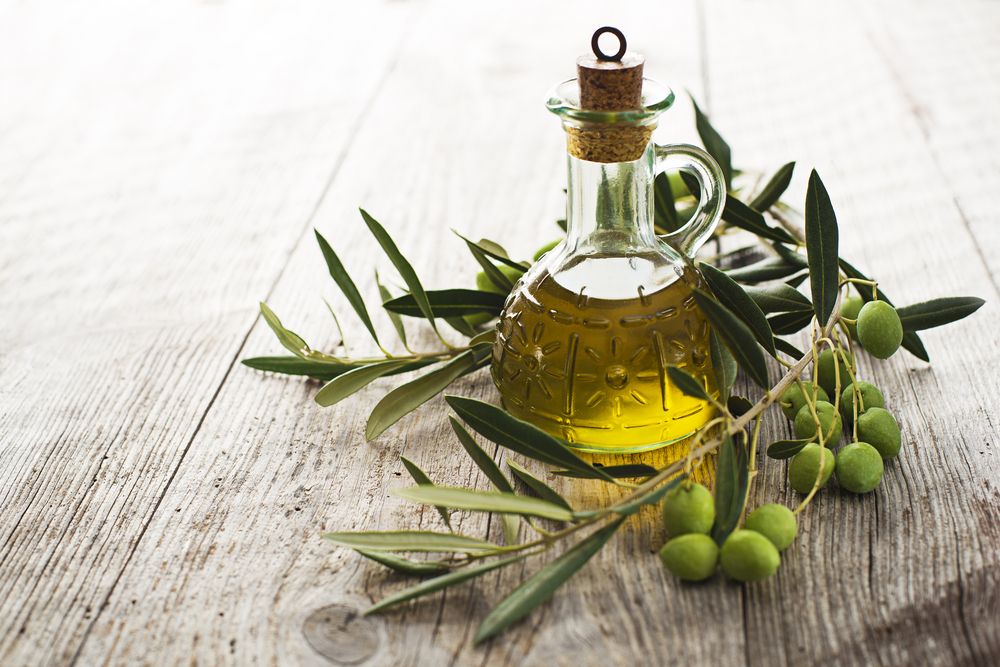
Before we begin, I’ll tell you that in Spain we usually use olive oil to coat the pan, but if you can’t find any or prefer not to use it, you can use butter as a substitute.

Let’s get to work!

We’ll start by making the croquette dough.

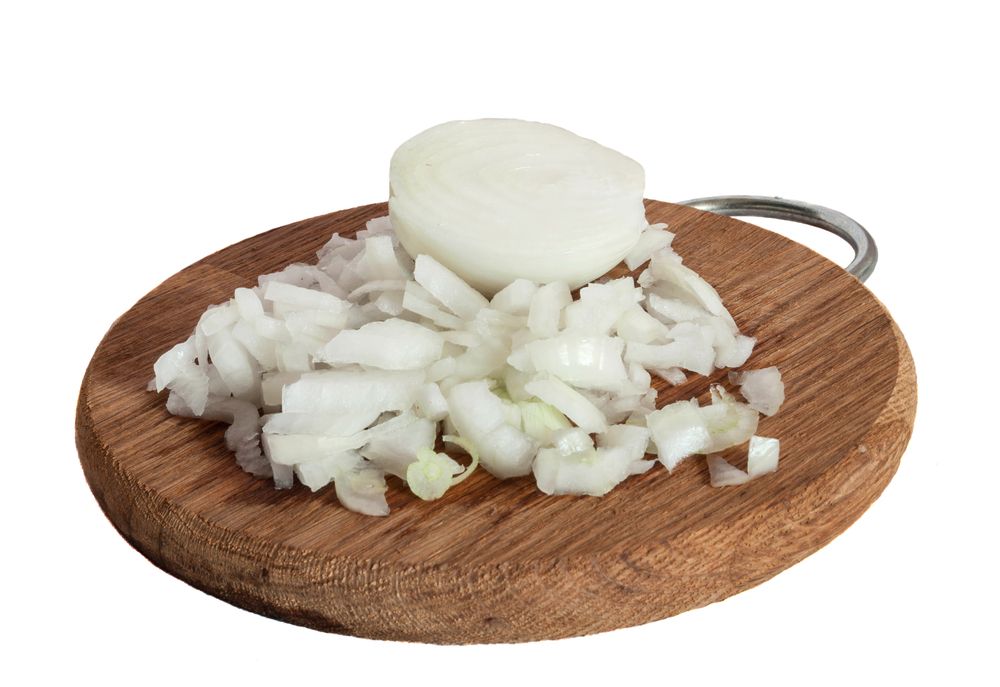
Mince the onion and garlic and cut the Serrano ham into small pieces. Heat the oil (or melt the butter) in a frying pan and add the onion and garlic. Cook until golden, then add the Serrano ham.

After a few minutes have passed and the ham takes on the flavor of the onion and garlic, add all the flour and sauté everything together. Be careful! It’s easy for the flour to burn, so you’ll have to stir the mixture constantly to keep it from sticking to the bottom of the pan.

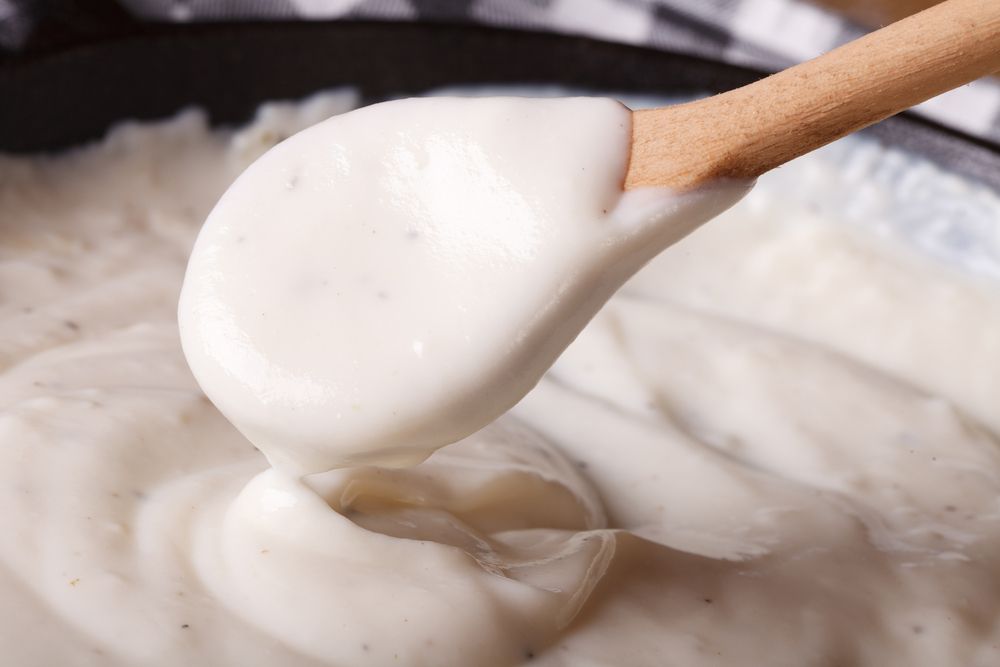
Shortly after you add the flour, slowly and gradually pour the warm milk into the pan. Keep stirring! It’s very important to stir constantly as you add the milk to prevent lumps from forming. Once you’ve added all the milk, let the mixture cook until it forms a thick paste (keep stirring this whole time!).

When the dough is ready, transfer it to a flat dish and let it cool.

(If you want your croquettes to come out as good as a Spanish grandmother’s, spread a bit of olive oil over the surface of the dough, just to prevent a crust from forming.)

When the dough is cool enough to handle, cut it into pieces and roll them into even-sized log shapes.

Once you’ve made all the croquettes, prepare a plate with flour, a bowl with the beaten eggs, and a plate with breadcrumbs.

Roll each croquette in the flour, egg, and breadcrumbs (in that order), then fry them in hot oil.

When the croquettes are golden brown, take them out of the frying pan and…it’s time to eat!

Hats off to the chef! 

Spain Spain Spanish Ham Croquettes Off <!-- Revive Adserver Etiqueta JS asincrónica - Generated with Revive Adserver v5.0.2 --><ins data-revive-zoneid="7" data-revive-id="ec923599c3fad9b044f22a6a73433428"></ins><script async src="//ads.iegrupo.com/www/delivery/asyncjs.php"></script> Vanessa Johnson

Take the Spanish tortilla out for a spin! | donQuijote

Submitted by Anonymous (not verified) on Thu, 11/22/2018 - 01:00
Take the Spanish tortilla out for a spin! Take the Spanish tortilla out for a spin!

What’s the most typical Spanish food?

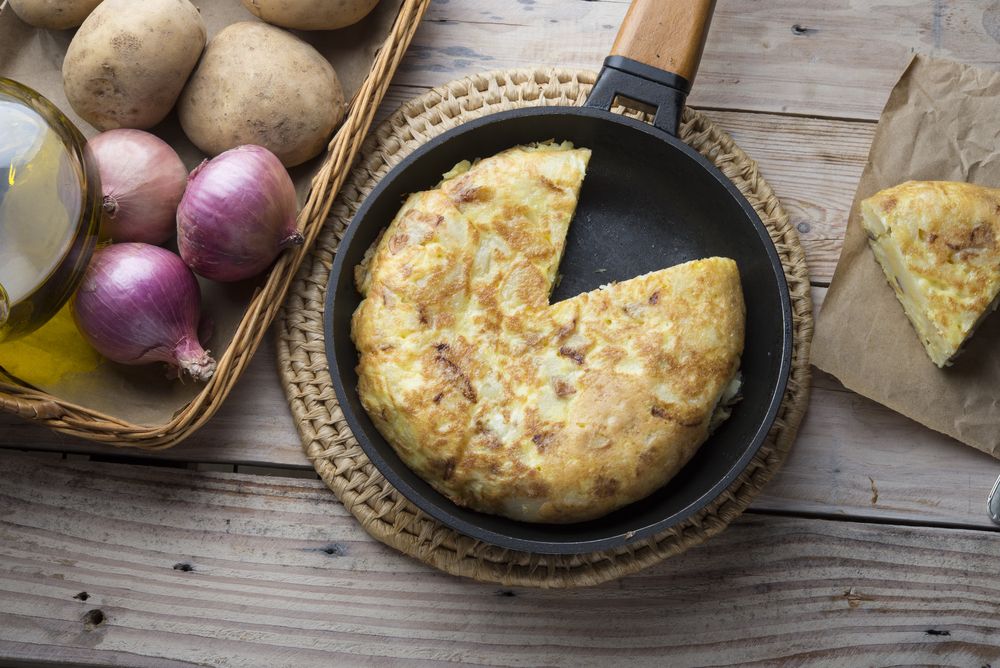
Tortilla de patatas!

Today we’re sharing a recipe to help you bring Spanish flavors to your table. So get ready, step into the kitchen, and…it’s tortilla time!

Read this article in Spanish

Before we begin, let’s run through the ingredients we’re going to need:

  • 700 g (about 25 oz) potatoes
  • 1 medium onion
  • 6 medium/large eggs
  • Olive oil
  • Salt


Now that we have the ingredients handy, we can get started.

First, peel and wash the onion and potatoes. Dice the onion and cut the potatoes into thin slices.

When you’ve got that ready, pour a thick layer of oil into a frying pan and heat it up on the stove. Once the oil is hot, turn the heat down to low and fry the potatoes with a bit of salt. This way they will get cooked all the way through without burning. Be patient, this may take 25-30 minutes, depending on how thick you cut the potato slices.

Before the potatoes are done, when they’re just starting to turn golden, add the onion to the frying pan. That way you can cook everything at the same time without burning the onion.

After you add the onion and everything is frying, crack the eggs into a mixing bowl, add a pinch of salt, and beat the eggs.

When the potatoes and onion are done frying, take them out of the oil, let the excess oil drain off, and add them to the bowl with the eggs, along with a bit more salt.

Mix everything together and let the mixture sit for a few minutes to give the potatoes time to absorb the eggs.

Meanwhile, prepare a frying pan to continue with the second part of the tortilla making process. You can use the same pan as before, just pour out almost all of the olive oil. If you prefer, you can use a clean frying pan and add a tablespoon of oil, moving the pan around so the bottom is completely coated.

Put the frying pan on low heat and pour in the mixture of eggs, potatoes, and onion.

Little by little, you’ll see the egg start to cook and the tortilla will begin to take shape. Make sure it doesn’t stick to the pan by using a spatula around the edges and base of the tortilla. It will probably start sticking to the pan.

Before the egg cooks completely, put a large, flat plate (big enough to cover all or almost all of the frying pan) over the tortilla and flip the pan upside down with the plate underneath. Lift the frying pan off the plate and put it back on the stove, then slide the tortilla (cooked-side up) off the plate and into the frying pan to let the other side cook a few more minutes.

When the tortilla is as cooked or as runny as you like it, turn off the burner and flip the tortilla out of the frying pan once more.

Your tortilla de patatas is ready!


Culture Traditions Spain The most typical Spanish dish: tortilla de patata. Learn here all about the Spanish dish tortilla de patata. Off <!-- Revive Adserver Etiqueta JS asincrónica - Generated with Revive Adserver v5.0.2 --><ins data-revive-zoneid="7" data-revive-id="ec923599c3fad9b044f22a6a73433428"></ins><script async src="//ads.iegrupo.com/www/delivery/asyncjs.php"></script> Vanessa Johnson

9 Spanish Customs You Should Know Before You Go | donQuijote

Submitted by Anonymous (not verified) on Thu, 09/20/2018 - 02:00
9 Spanish Customs You Should Know Before You Go 9 Spanish Customs You Should Know Before You Go

Everybody is well aware that each household has its own customs.

When we visit a friend or family member in their home, things usually aren’t exactly as we’d like them; there tend to be things we’d do differently. This is also true on a bigger scale: even when cities are close together, they often have different customs or traditions because of each city’s history and the events that have happened there.

If customs change from home to home and city to city, imagine the differences between countries!

Read this article in Spanish

There’s an expression in Spanish that says, “Allá donde fueras, haz lo que vieras” (Wherever you go, do what you see). In English we have a similar saying: “When in Rome, do as the Romans do.” In both cases, the idea is that when you travel somewhere, you should follow the customs of the people who live there.

With this in mind, today we’re going to talk about some of the most widespread customs in Spain. They may seem a bit strange to you when you arrive, but don’t worry — they’re easy to get used to.

1. We’re used to sunny weather

If there’s one thing visitors notice when they come to Spain, it’s all the hours of sunshine we have each day. We’re so used to it that we find it very strange if it rains for more than two or three days in a row and we don’t get to see the sun, or if we have a whole week of cloudy skies in winter.

Enjoy the sunshine, but don’t forget your sunscreen!

2. We put blinds on every window

Thanks to all that sun, almost every Spanish home has persianas or Persian blinds.

A Persian blind is a set of horizontal slates linked together by a cord. This cord is placed inside the room and can be used to raise or lower the window blinds to our liking. This way we can control how much sunlight comes in. We’ll often lower the blinds before we go to bed so we don’t get woken up by the bright light when the sun comes up, or in the summertime to keep the heat out, especially around midday.


3. For hellos and goodbyes, a kiss on each cheek

In Spain, men usually greet other men with a handshake and women with two kisses, one on each cheek. Women, on the other hand, greet both men and other women with two kisses (except in very formal settings, in which they may greet someone with a handshake).

Between close friends and families, it’s also common for men to say hello and goodbye with cheek kissing. It’s such a deeply rooted custom that nobody thinks twice about kissing someone on both cheeks.

4. We get up early and stay up late

Yes, we know. In Spain we do most things later than usual. Our lunchtime is between 2 and 3 p.m., but it’s not at all uncommon for lunch to last until 4 p.m. We generally meet for dinner around 9 p.m., but the meal often doesn’t start until even later.

So, when you get to Spain, stop looking at your watch and worrying about the time. Remember, when you follow our schedule, you’ll be able to enjoy every last hour of sunshine!

5. The (famous) siesta

Since meals in Spain are usually abundant and long-lasting, sometimes it’s almost necessary to take a break so you can digest your food and rest for a little while. Even so, we’ve got to tell you something. Siestas (naps) aren’t as common as people outside of Spain might think.

With how busy life is these days, what with long work days and lots of daily activities, it’s very hard to find time to take a nap. On weekends, however, it’s a bit easier for everyone.

6. No, we’re not shouting

Spaniards often notice that when we travel to other countries, we recognize our compatriots by their slightly louder tone of voice. In Spain we’re used to it, but tourists and new arrivals are sometimes bothered by what they consider to be loud conversations.

Even if it seems like we’re speaking loudly or even shouting, it’s not because we’re angry or because people can’t hear us. Furthermore, when we use public transportation, even though we often speak with the person or group of people we’re traveling with, we do try to keep the volume down.

7. We don’t take our shoes off at the door

For Spaniards, it’s not a sign of disrespect to keep our shoes on when we enter someone’s home, whether they’re visiting us or we’re visiting them. The most we’ll do is wipe the bottom of our shoes on the welcome mat in front of the door before we go in.

However, when we arrive at our own home, we take off our shoes and change into slippers. We might even change into more comfortable clothes. But there’s no general rule about taking your shoes off in other people’s homes.


8. Punctuality… Spanish style

Although we don’t usually admit it, Spaniards know that we arrive late to most places. If there’s an important work meeting or a formal event, we make sure to be punctual… but there’s always someone who gets distracted and doesn’t make it on time. And if you’re casually meeting up with friends or family, you can be sure you’ll have to wait for at least one person.

Here’s a piece of advice. If someone tells you they’ll be there in 5 minutes, it’ll probably be more like 15 or 20.


9. Bread with every meal

A Spanish meal without bread is like a paella without rice — unthinkable!

Bread is good for pushing your food onto your fork or spoon; it’s great for picking up food and delivering it straight to your mouth; you can use it to clean your plate, to make breakfast, snacks, dinners, or whatever you want! You can eat it at home or take it on the go, eat it with meat, fish, or salad… Spaniards sometimes get offended when a restaurant charges extra for bread. It’s so ingrained in our culture that we assume it’s included in the price.


Now you know some of Spain’s most notable customs. It’s just a little heads-up so you’ll be more prepared and know what to expect when you come to Spain to learn Spanish.

Enjoy our customs!


Spain 9 Spanish Customs You Should Know Before You Go Off <!-- Revive Adserver Etiqueta JS asincrónica - Generated with Revive Adserver v5.0.2 --><ins data-revive-zoneid="7" data-revive-id="ec923599c3fad9b044f22a6a73433428"></ins><script async src="//ads.iegrupo.com/www/delivery/asyncjs.php"></script> Vanessa Johnson
Subscribe to Spain

Manage cookie consent

Cookies on this website are used to personalize content and ads, provide social media features and analyze traffic. In addition, we share information about your use of the website with our social media, advertising and web analytics partners, who may combine it with other information you have provided to them or that they have collected from your use of their services. You can learn more in our Cookies policy

Always active

Necessary cookies help make a website usable by enabling basic functions such as page navigation and access to secure areas of the website. The website cannot function properly without these cookies.

Statistical cookies help website owners understand how visitors interact with websites by gathering and providing information in an anonymous form.

Preference cookies allow the website to remember information that changes the way the site behaves or looks, such as your preferred language or the region you are in.

Marketing cookies are used to track visitors on web pages. This is used to show ads that are more relevant and attractive to the individual user, and therefore more valuable to publishers and third-party advertisers.