Easter in Latin America: Symbols and Traditions | donQuijote
Submitted by Anonymous (not verified) on Thu, 04/18/2019 - 02:00
Easter in Latin America: Symbols and Traditions Easter in Latin America: Symbols and Traditions

Forget about the Easter Bunny – in Spanish-speaking countries, a whole week is dedicated to commemorating the passion, death, and resurrection of Jesus and yet not once does a furry egg-bearing animal hop into view. Today we’re bringing you some fun facts about Semana Santa, one of the most important events of the year in many countries around the world. Click here to read this post in Spanish.

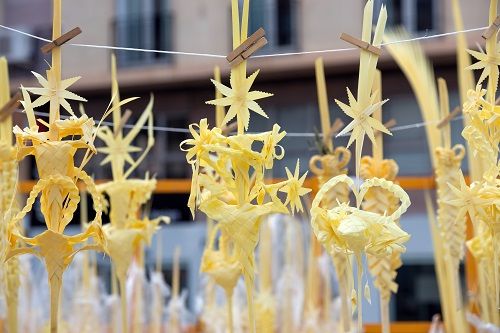
Holy Week begins on Palm Sunday. Wherever you are studying Spanish in Latin America, on this day the city will be filled with people carrying palm leaves, often braided into crosses and other shapes, to church to be blessed. Afterwards, the churchgoers will take the palms home and hang them over or behind the front door for protection. These palms will be burned the following year on Ash Wednesday, marking the beginning of Lent.
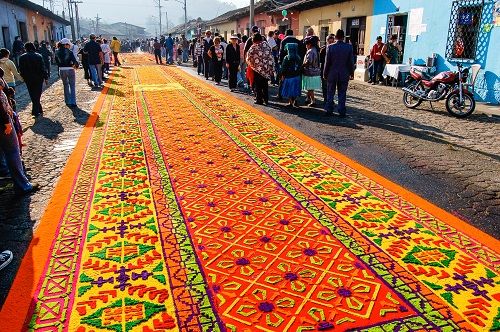
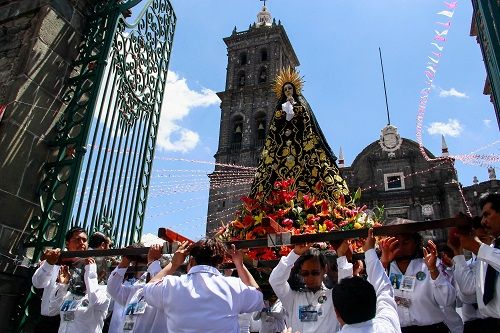
This custom, like many others, harks back to Semana Santa traditions from Spain. Street processions with live music and beautiful floats carrying religious figures through the city can also be found across Latin America. Of course, although there are several common threads that run throughout the Americas, each region’s local traditions and personality is infused into the way Holy Week is observed there.
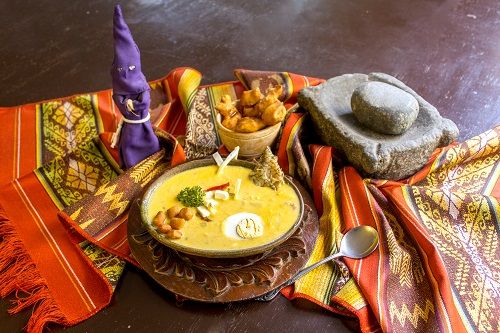
Many countries follow traditional eating customs with special foods that are typically eaten only during Lent and Holy Week. In Ecuador, that dish is fanesca, a thick soup made with cod and 12 different types of grains and legumes. The fish is said to represent Jesus, while the 12 other star ingredients (which may vary depending on the chef) represent the 12 disciples.
Holy Friday, the day of Jesus’s death, is the most solemn day of Semana Santa. Only a few generations ago in Costa Rica and other countries, people remained mostly silent all day and refrained from bathing or swimming. People who dared to go against tradition ran the risk of turning into a fish.

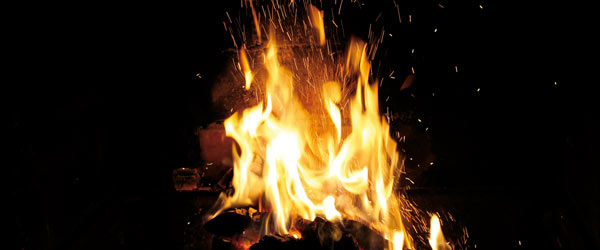
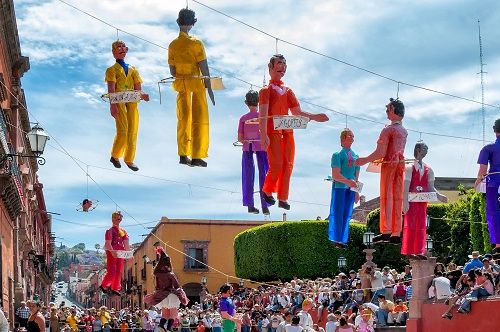
In Mexico, Holy Saturday becomes a day of fire with the Quema de Judas. Large papier-mâché statues of Judas Iscariote (who betrayed Jesus), the devil, and even different political figures are hanged and burned before the eyes of hundreds of spectators. Like the Fallas of Valencia, this flaming tradition is a powerful sight to behold.
Easter Sunday is a joyful day throughout Latin America. After mass, people gather together with food, music, and dancing to celebrate Jesus’s resurrection. The atmosphere is contagious, and whether or not you’re consider yourself a religious person, you’re sure to enjoy the emotional release.

With so many unique traditions and events, Holy Week is one of the best times to learn Spanish in Spain or Latin America and become immersed in the local culture. If you didn’t make it this year, start planning your trip for April 5-12, 2020!
Traditions Colombia Argentina Mexico Easter in Latin America: Symbols and Traditions. Find out here the traditions and the symbols in Latin America. Off <!-- Revive Adserver Etiqueta JS asincrónica - Generated with Revive Adserver v5.0.2 --><ins data-revive-zoneid="7" data-revive-id="ec923599c3fad9b044f22a6a73433428"></ins><script async src="//ads.iegrupo.com/www/delivery/asyncjs.php"></script> Vanessa Johnson

Carnival in the Canary Islands: A Winter Oasis | donQuijote

Submitted by Anonymous (not verified) on Thu, 03/07/2019 - 01:00
Carnival in the Canary Islands: A Winter Oasis Carnival in the Canary Islands: A Winter Oasis

In the weeks leading up to Lent, everyone is getting ready for one of the most spectacular events on the Canary Islands: carnival. During this celebration, the seven islands step into the spotlight for the most colorful and joyful fiesta of the year.

Thanks to the pleasant subtropical climate, locals and visitors can let their imaginations run wild as they prepare fantastic costumes to wear without having to worry about the cold weather the rest of Spain suffers from this time of year.

Nights bursting with color

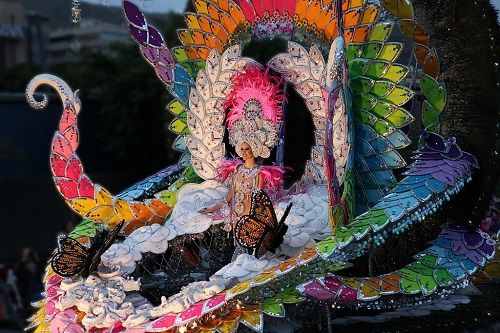
One of the pivotal moments is the election of the Queen of Carnival, who becomes the face of the festival. To compete for the title, several candidates show off enormous costumes adorned with feathers and beads of every color.

These flashy outfits can weigh as much as 450 pounds and are the result of months of work. International media flock to Tenerife and Las Palmas for the elections to cover the most famous part of Canarian carnival.

Music in the streets


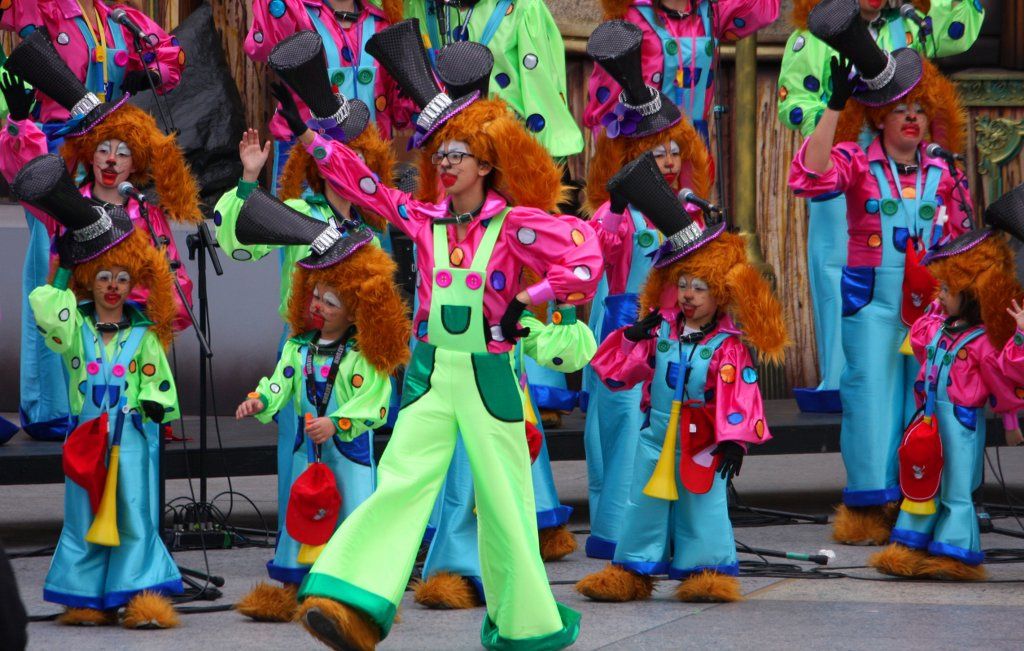
Other highlights include the murgas, the Mogollones, and the parades of floats. The murgas are musical groups who sing satirical songs about current events. They dress up to participate in competitions and are similar to the chirigotas of Cadiz.

The Mogollones are celebrations that take place over several nights during the carnival season. Party-goers visit beach bars and street stands as music flows throughout the city.

One of the biggest crowd-pleasers are the parades. During the Gran Cabalgata in Las Palmas, close to 100 decked-out floats and cars parade through the city streets.

The finishing touch

All good things must come to an end, and carnival is no exception. In the Canary Islands, the burial of the sardine is the perfect finale. In keeping with long tradition, a mock funeral is held, and a large representation of a sardine is burned in the middle of a fireworks show.

This March, we invite you to come to our Spanish school in Tenerife and experience Canarian carnival for yourself. Enjoy a different kind of winter and immerse yourself in the joy of the Canarian people!

Traditions The best carnivals in the world take place in the Canary Islands. Find out here everything you need to know about it. Off <!-- Revive Adserver Etiqueta JS asincrónica - Generated with Revive Adserver v5.0.2 --><ins data-revive-zoneid="7" data-revive-id="ec923599c3fad9b044f22a6a73433428"></ins><script async src="//ads.iegrupo.com/www/delivery/asyncjs.php"></script> Vanessa Johnson

Valentine's Day: Sing your love | donQuijote

Submitted by Anonymous (not verified) on Thu, 02/14/2019 - 01:00
Valentine's Day: Sing your love Valentine's Day: Sing your love

Every February 14th people across Spain and many Latin American countries celebrate Día de San Valentín or Día de los enamorados. It’s the perfect occasion to show that special someone how much you care and open your heart to them.

Some of the most typical gifts on this day are a bouquet of roses (red roses are best), a box of chocolates, a romantic dinner by candlelight… Whatever your plans are, there’s one thing that adds a special touch to any intimate moment: music.

Music has an amazing power to affect people’s emotions. Plus, everyone knows that learning song lyrics is one of the most effective ways to learn vocabulary and improve your listening comprehension in a new language. Of course, reading helps, too: click here to read this article in Spanish.


This Valentine’s Day we’re bringing you a selection of love songs in Spanish to awaken your inner romantic. Whether you’re preparing for an unforgettable date or eating ice cream alone on the couch, we have a song you can identify with.

Below, we’ll give you the best verses to help you learn Spanish on Valentine’s Day. Crank up the volume and sing along!


Songs to break the ice

Héroe, by Enrique Iglesias                                           Anoche soñé contigo, by Kevin Johansen


Si pudiera ser tu héroe                                                  Anoche soñé contigo

Si pudiera ser tu dios                                                     Y no estaba durmiendo

Que salvarte a ti mil veces                                          Todo lo contrario

Puede ser mi salvación (…)                                          Estaba bien despierto (…)


Songs for a broken heart

Naranjo en flor, by Roberto Goyeneche                Corazón partío, by Alejandro Sanz

Primero hay que saber sufrir,                                     ¿Qué fue de la ilusión y de lo bello que es vivir?
Después amar, después partir                                   Para qué me curaste cuando estaba herido
y al fin andar sin pensamiento                                  Si hoy me dejas de nuevo el corazón partío (…)

Perfume de naranjo en flor

Promesas vanas de un amor

Que se escaparon en el viento (…)


Songs to be shouted from the rooftops

Ando ganas, by Los Piojos                                           A Dios le pido, by Juanes

Solo una cosa te digo                                                    Que si me muero sea de amor
Yo necesito un abrigo                                                   Y si me enamoro sea de vos
Que en esta tierra hace frío                                        Y que de tu voz sea este corazón (…)
si no estás al lado mío                                                 
Y como vos no hay ninguna
No brilla tanto la luna
Ando ganas de encontrarte
Quiero llevarte pa' Marte (...)


Songs for a candlelit dinner

Hasta la raíz, by Natalia Lafourcade                                       Antes, by Jorge Drexler

Yo te llevo dentro, hasta la raíz                                                 Antes de mí, tú no eras tú
y por más que crezca, vas a estar aquí                                   Antes de ti, yo no era yo
Aunque yo me oculte tras la montaña                                   Antes de ser nosotros dos

y no encuentre un campo lleno de caña                                No había ninguno de los dos (…)

no habrá manera, mi rayo de luna

de que tú te vayas (…)


Now that you’ve got the perfect playlist for today, we’d like to wish you a Feliz San Valentín. However you choose to celebrate, turn on the tunes! The rest will come naturally.

Traditions Valentine's Day: how Spain and Latin America celebrate this special day. Off <!-- Revive Adserver Etiqueta JS asincrónica - Generated with Revive Adserver v5.0.2 --><ins data-revive-zoneid="7" data-revive-id="ec923599c3fad9b044f22a6a73433428"></ins><script async src="//ads.iegrupo.com/www/delivery/asyncjs.php"></script> Vanessa Johnson

New Year's Eve traditions in Spain and Latin America | donQuijote

Submitted by Anonymous (not verified) on Mon, 12/31/2018 - 01:00
New Year's Eve traditions in Spain and Latin America New Year's Eve traditions in Spain and Latin America

Today is December 31st. We are just few hours away from closing this year and welcoming the new one with our arms wide open. Fireworks, gala dinners, champagne, and parties will be the protagonists of this evening all around the globe.

Spain and Latin American countries have some deep-rooted traditions for this special evening. In this post, we invite you to discover some of them. If you prefer to continue reading about New Year’s Eve in Spanish, click here. What are you up to tonight?

Spain

In Spain, New Year’s Eve is the most festive moment of all the holiday celebrations. Normally, families gather to have dinner and wait for the bells to ring. Here is when one of the most popular traditions takes place: the grapes time.

Every December 31st at midnight, Spaniards stay tuned to television. From the Puerta del Sol, in Madrid, they broadcast the clock bells striking twelve times before the new year begins. With every bell sound, they eat one grape, until they have had the twelve of them. After this ritual is over, family members wish each other a Happy New Year and they celebrate together.

This practice finds its origin in a grape production surplus, around 1900. It usually involves playing around with cotillones as well. These are festive bags that contain ornamental pieces, costumes, toys, confetti, and party horns.

To attract good luck, besides the grapes ceremony, it is customary to wear red underwear and, sometimes, soak a ring in a champagne or cava glass to toast for the new year. From midnight, most houses and bars throw special parties. Before finishing the night out, it is very common to have the typical chocolate con churros (hot chocolate and churros).

Latin America

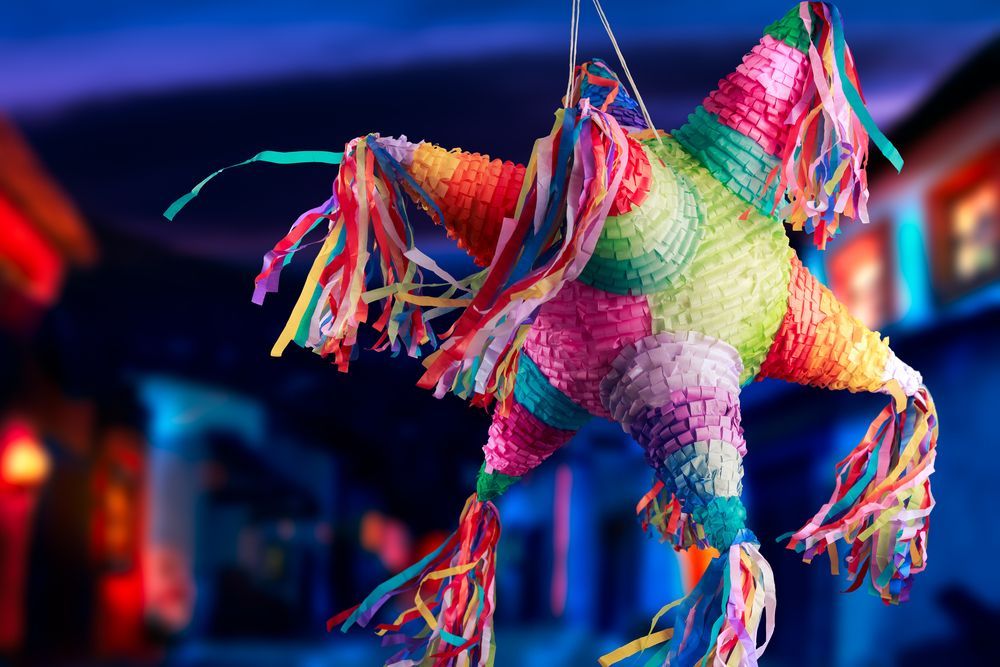
Piñatas are the protagonists of New Year’s Eve in Mexico. Traditionally, they were made of mud. Nowadays, they are usually made of colored paper and small lights that attract good luck for the coming year.

In addition to grapes and red underwear, there are a couple more singular traditions. For economic prosperity, Mexicans wear yellow underwear. If they want a travel-intensive year, they take their suitcases out. Something similar happens in Ecuador. Over there, many people walk around the neighborhood as fast as they can, carrying their luggage with them. This favors future trips.

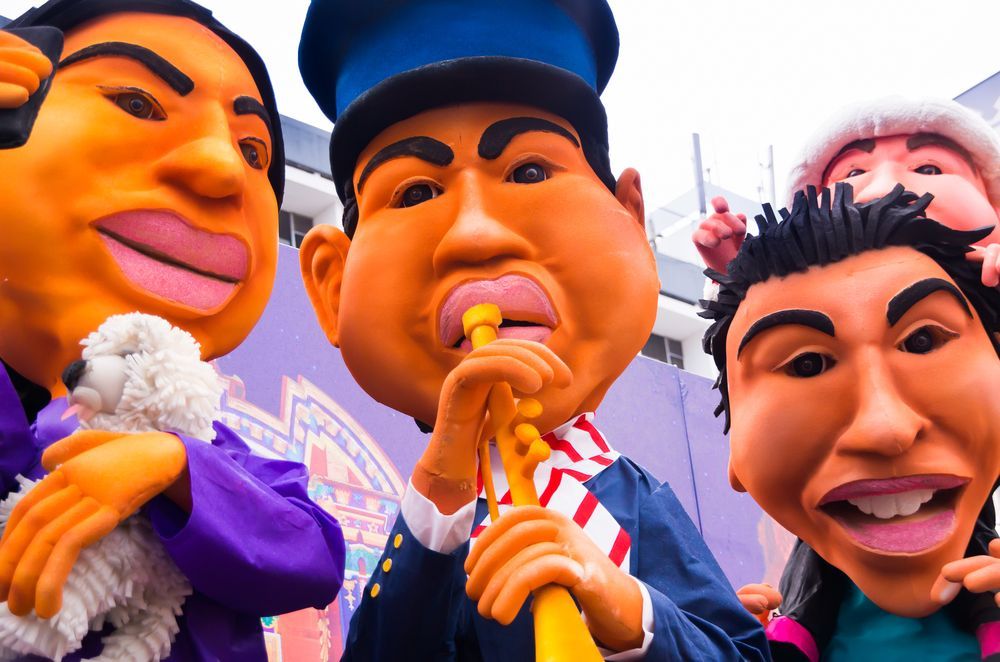
One of the most distinctive traditions for New Year’s Eve in Colombia is the puppets burning. Before midnight, Colombians prepare figures that represent mostly popular characters. After that, they stuff them with fireworks and set them off right at 12 a.m. This way, puppets burn and the skies spark with the remains of last year’s bad things.

This puppets custom is very popular in Peru as well. In this country, they burn old pieces of fabric, journals, and wood. Very often, the figures they light up represent unpopular characters, such as politicians and other celebrities.

One of the most well-known New Year practices in Venezuela involves throwing a handful of lentils at the end of the countdown. This way, bad luck goes away. In Argentina, good weather makes for colorful summer parties.

We hope you have learned something new about the different New Year’s Eve traditions around the Spanish-speaking countries. Tonight, we encourage you to pick one of them and participate with your friends and family. Happy New Year!

Traditions The traditions in Spain and Latin America in New Year's Eve. Off <!-- Revive Adserver Etiqueta JS asincrónica - Generated with Revive Adserver v5.0.2 --><ins data-revive-zoneid="7" data-revive-id="ec923599c3fad9b044f22a6a73433428"></ins><script async src="//ads.iegrupo.com/www/delivery/asyncjs.php"></script> Patricia Mendez

Take the Spanish tortilla out for a spin! | donQuijote

Submitted by Anonymous (not verified) on Thu, 11/22/2018 - 01:00
Take the Spanish tortilla out for a spin! Take the Spanish tortilla out for a spin!

What’s the most typical Spanish food?

Tortilla de patatas!

Today we’re sharing a recipe to help you bring Spanish flavors to your table. So get ready, step into the kitchen, and…it’s tortilla time!

Read this article in Spanish

Before we begin, let’s run through the ingredients we’re going to need:

  • 700 g (about 25 oz) potatoes
  • 1 medium onion
  • 6 medium/large eggs
  • Olive oil
  • Salt


Now that we have the ingredients handy, we can get started.

First, peel and wash the onion and potatoes. Dice the onion and cut the potatoes into thin slices.

When you’ve got that ready, pour a thick layer of oil into a frying pan and heat it up on the stove. Once the oil is hot, turn the heat down to low and fry the potatoes with a bit of salt. This way they will get cooked all the way through without burning. Be patient, this may take 25-30 minutes, depending on how thick you cut the potato slices.

Before the potatoes are done, when they’re just starting to turn golden, add the onion to the frying pan. That way you can cook everything at the same time without burning the onion.

After you add the onion and everything is frying, crack the eggs into a mixing bowl, add a pinch of salt, and beat the eggs.

When the potatoes and onion are done frying, take them out of the oil, let the excess oil drain off, and add them to the bowl with the eggs, along with a bit more salt.

Mix everything together and let the mixture sit for a few minutes to give the potatoes time to absorb the eggs.

Meanwhile, prepare a frying pan to continue with the second part of the tortilla making process. You can use the same pan as before, just pour out almost all of the olive oil. If you prefer, you can use a clean frying pan and add a tablespoon of oil, moving the pan around so the bottom is completely coated.

Put the frying pan on low heat and pour in the mixture of eggs, potatoes, and onion.

Little by little, you’ll see the egg start to cook and the tortilla will begin to take shape. Make sure it doesn’t stick to the pan by using a spatula around the edges and base of the tortilla. It will probably start sticking to the pan.

Before the egg cooks completely, put a large, flat plate (big enough to cover all or almost all of the frying pan) over the tortilla and flip the pan upside down with the plate underneath. Lift the frying pan off the plate and put it back on the stove, then slide the tortilla (cooked-side up) off the plate and into the frying pan to let the other side cook a few more minutes.

When the tortilla is as cooked or as runny as you like it, turn off the burner and flip the tortilla out of the frying pan once more.

Your tortilla de patatas is ready!


Culture Traditions Spain The most typical Spanish dish: tortilla de patata. Learn here all about the Spanish dish tortilla de patata. Off <!-- Revive Adserver Etiqueta JS asincrónica - Generated with Revive Adserver v5.0.2 --><ins data-revive-zoneid="7" data-revive-id="ec923599c3fad9b044f22a6a73433428"></ins><script async src="//ads.iegrupo.com/www/delivery/asyncjs.php"></script> Vanessa Johnson

Witch market in Bolivia | donQuijote

Submitted by Anonymous (not verified) on Mon, 11/02/2015 - 01:00
Witch market in Bolivia The Witches Market in La Paz is one of the most colorful and interesting markets in South America and well worth a visit during your trip through Bolivia. Witch market in Bolivia

In the middle of the lively tourist center of La Paz, the capital of Bolivia, is perhaps the craziest and most interesting market in South America: the "Mercado de Hechicería," or Witch's Market. This famous market is located between Sagamaga and Santa Cruz in Calle Jimenez. Dozens of vendors line the streets selling their fascinating and unusual products.

  • The Witch's Market sells many crazy products, but the strangest is dead llamas and their fetuses. The idea is that the fetuses will be buried under a cornerstone near a newly built house and that is supposed to bring good luck.
  • Wealthier Bolivians often sacrifice a live llama at a new-build house, said to bring more good luck.
  • Another interesting market close to the Witch Market is the "Merca Negro," here they really offer everything: fruits, clothes, fireworks and electronics.

The market sells various products that Bolivian vendors and locals consider magical. Herbs, stones, figurines and... yes, also fetuses of llamas and dried frogs, turtles and snakes. These crazy products are all sold at the Witch Market and each has a magical side effect such as bringing good luck or curing disease. The products are mostly used by traditional Bolivian healers to influence good and evil spirits. In addition, the market is very popular to visit while on vacation in Bolivia.

The goodies are often packaged very nicely by the vendors, in cozy and colorful bags. These bags of products are still offered daily to Pachamama, the Mother of the Earth. This is an old-fashioned ritual that is still performed every day by the inhabitants of Bolivia. Indeed, according to tradition, it brings good luck if you bury a llama fetus under the cornerstone of your newly built house.

Besides dead llamas and dried frogs, some normal goodies are sold such as amulets with different images that stand for different things. For example, the sun stands for energy, the cougar for strength, the snake for cunning and wisdom, the condor for travel and change and the llama for health. You may also encounter a real traditional Yatari during your visit to the Witch Market. This is a medicine man who wears a large tall black hat. Yataris can predict the future but unfortunately do this mainly for the locals.

The Witches Market in La Paz is one of the most colorful and interesting markets in South America and well worth a visit during your trip through Bolivia. Not only are there weird souvenirs for sale, but the market also showcases much of Bolivia's faith and culture. And it's something different to take home a llama fetus as a souvenir instead of a magnet, right?

Traditions The Witches Market in La Paz is one of the most colorful and interesting markets in South America and well worth a visit during your trip through Bolivia. bolivia, la paz, la paz bolivia, capital of bolivia, bolivia culture, culture bolivia, witch market bolivia, witch market la paz Off <!-- Revive Adserver Etiqueta JS asincrónica - Generated with Revive Adserver v5.0.2 --><ins data-revive-zoneid="7" data-revive-id="ec923599c3fad9b044f22a6a73433428"></ins><script async src="//ads.iegrupo.com/www/delivery/asyncjs.php"></script> Tessa

Fiestas Patrias de Chile | donQuijote

Submitted by Anonymous (not verified) on Mon, 09/01/2014 - 02:00
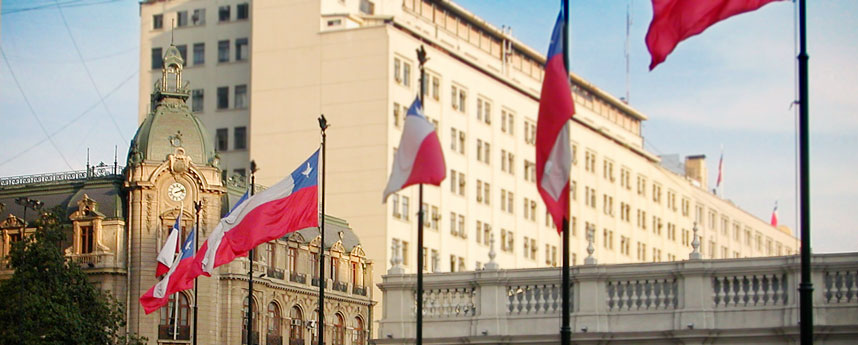
Fiestas Patrias de Chile On Sept. 18 and 19, Chileans celebrate their independence with parties, food, drink, music and a large military parade in Santiago de Chile.  fiestas chile

Chile's National Independence Day

On Sept. 18, 1810, Chile declared independence from Spain. After an eight-year war, the Diechiocho, is now Chile's National Independence Day every year. This holiday, also called "Fiestas Patrias de Chile," is celebrated throughout the country with many festivities. Chile celebrates its independence with parades, parties, food, drink and music. Dance floors are laid out in large marquees, also called Ramadas, and a wide variety of Chilean traditional food is served in the so-called Fondas. Sept. 19 is also an important day for Chileans. Known as the "Day of the Glories of the Army," this day is celebrated at O'Higgens Park in Santiago de Chile. On this day is Chile's big military parade that attracts as many as millions of viewers.

  • On Sept. 18 and 19, Chileans celebrate their independence with parades, parties, food, drink, music and a large military parade at O'Higgens Park in Santiago de Chile.
  • Ramadas (large party tents) are set up with dance floors and Fondas (decorated tents) where Chilean cuisine is served.
  • Chilean cuisine is very important during these holidays. The Chilean Empanada is the traditional dish: a kind of bread with a filling of pino, a mixture of minced meat, onions, boiled eggs raisins and olives.

The celebration of the Fiestas Patrias is an expression of Chilean culture. Festivities organized during these days include the Chilean rodeo, various street parties, the performance of the traditional dance the Cucea, visiting Fondas and Ramadas and barbecues. There is also a Catholic ceremony in the Plaza de Armas, led by the Archbishop of Santiago de Chile.

During the Fiestas Patrias, Chilean cuisine is very important. The favorite traditional Chilean drink during this festivity is the Chicha, a light alcoholic drink made from grapes, kind of like wine. In southern Chile, the preference is more for the apple Chicha. Chile's other national drink, Pisco is also very popular during these celebrations. This drink is also made from grapes but has a higher percentage of alcohol and tends more toward a brandy-like drink. Consuming traditional Chilean food is one of the most important activities during the Fiestas Patrias. Chileans prepare the food at home or in the so-called fondas, tents specially set up and decorated for this annual event. The predominant food is Chilean empanadas, which are baked from a type of bread. The filling consists of pino, a mixture of minced meat, onions, boiled eggs, raisins and olives. The barbecue is also very popular and as much as 50 million Dollars worth of meat is sold, during the Fiestas Patrias. The typical Chilean dessert not to be skipped is the Alfajor, the traditional cookie with a filling of caramelized milk.

No matter where you are in Chile during the independence celebrations, everywhere you will hear ¡Viva Chile! Going on vacation to Chile in September is highly recommended! Enjoy the spring-like weather, festivals, Chilean cuisine and of course the country itself.

Traditions On Sept. 18 and 19, Chileans celebrate their independence with parties, food, drink, music and a large military parade in Santiago de Chile. chile,santiago de chile,vacation chile,chilean food,chilean cuisine,fiestas patrias chile,chilean culture Off <!-- Revive Adserver Etiqueta JS asincrónica - Generated with Revive Adserver v5.0.2 --><ins data-revive-zoneid="7" data-revive-id="ec923599c3fad9b044f22a6a73433428"></ins><script async src="//ads.iegrupo.com/www/delivery/asyncjs.php"></script> Tessa

Cuban cigars and rum | DonQuijote

Submitted by Anonymous (not verified) on Mon, 08/12/2013 - 02:00
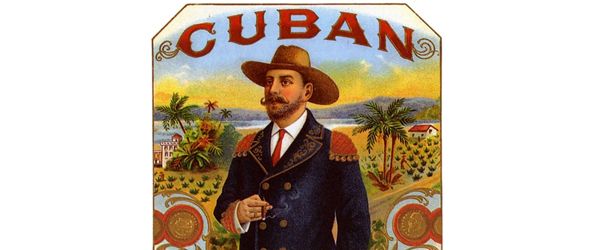
Cuban cigars and rum Rum and cigars are one of the island's main exports. The word cigar is derived from the Spanish verb turn "girar." cuban cigars and rum

Cuba is best known for its rum and cigars. Cuba is the number one country when it comes to cigar production. Rum and cigars are one of the island's main export products.

Cuban cigars

There are 180 million cigars produced in Cuba. Cigars have been produced in Cuba since the 15th century. The word cigar is derived from the Spanish verb turn "girar." Being one of the island's main exports, Cuban cigars are still very important to the Cuban economy today. There are 40 types of Cuban cigars and the most famous of them is Cohiba. Pinar del Río province is one of the most beautiful areas of the island and also the center of the Cuban tobacco industry. A cigar roller is called a "torcedor. A torcedor rolls an average of 120 cigars a day. While working, cigar rollers are allowed to smoke as many cigars as they want, are read to to combat boredom, and are allowed to take home two cigars each day.

Tobacco Plants

To make cigars, one needs tobacco plants. First, the tobacco plants are sown on a special bed where they must remain for 6 weeks. Then they are put in a field where they are given the opportunity to grow and after about 3 months the tobacco leaves have the right size and the leaves are picked. After these leaves are picked they are hung on long sticks for a period of about 7 weeks to dry. The final process is letting the leaves ferment in a dark room. Here, among other things, they are selected for color and packed per 25 leaves for the cigar factory. To this day, all work on the tobacco plantations is maintained manually, this is what makes Cuban cigars of good quality. It was a Cuban tradition to give cigars as business gifts. Only since the 1980s have cigars been available for sale to everyone.

Cuban rum

Columbus discovered Cuba. Already on his second voyage to the island, he brought sugar cane with him. The African slaves who were in Cuba had their own drink, "guarapo." When Columbus brought sugar cane to the island they started applying the same process to the sugar cane. This created the first Cuban rum. It wasn't until the 19th century that Cuban rum became a high-quality product.

There are three types of Cuban rum. The youngest type is the white rum, it is mostly used for making cocktails such as the mojito. The amber rum is about 3 years old and is usually drunk pure or used for exclusive cocktails. The oldest rum is the dark brown rum. This rum is as much as 7 years old and is almost always drunk pure or with a little ice, which ensures that the flavor is better released. The rum brand "Havana Club" is one of the most famous rum brands and dates back to 1878, the brand was nationalized in 1959.

Photo by artofmanliness.com

Traditions Rum and cigars are one of the island's main exports. The word cigar is derived from the Spanish verb turn "girar." cuba, cigar factory, tobacco plants, cuban cigars Off <!-- Revive Adserver Etiqueta JS asincrónica - Generated with Revive Adserver v5.0.2 --><ins data-revive-zoneid="7" data-revive-id="ec923599c3fad9b044f22a6a73433428"></ins><script async src="//ads.iegrupo.com/www/delivery/asyncjs.php"></script> Samentha Geerts

Argentine food. Argentinean cuisine | donQuijote

Submitted by Anonymous (not verified) on Mon, 08/05/2013 - 02:00
Argentine food Argentina is the country for meat lovers and Maté is the national drink. More on the food culture in Argentina with don Quijote. argentinian cuisine

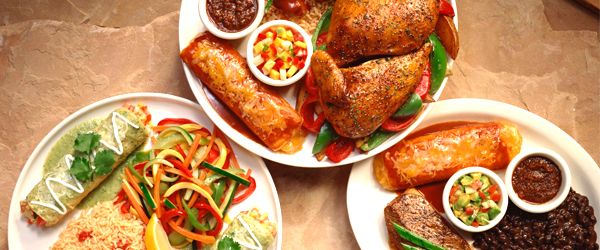
Argentine cuisine is known for being mostly meat-based. Residents of Argentina eat an average of 65 kg of meat per person per year. Besides the delicious cuts of meat, there is much more food and drink available in Argentine cuisine.

  • The large group of immigrants has allowed Italian, Indian, French and Spanish cuisine to have a major influence on Argentine cuisine.
  • Argentina is among the top five countries in the world with the largest wine production.
  • In Argentina, eating is a social event; eating alone or on the road on a bus or train does not happen at all.

Argentine cuisine consists of influences from all over the world. Immigrants who came to Argentina have had a great influence on Argentine cuisine. Influences from Spain, Italy and France, among others, are well reflected in the cuisine. In addition to these influences, Argentina uses many local products such as beans, zucchini, corn, peppers, squash and sweet potato.

Meat dishes

Argentina is the country for meat lovers. Per year, residents eat an average of 65 kilograms of meat. This mainly involves beef. Argentine food is often prepared on a barbecue or grill. Eating in Argentina is quite a social happening. Eating alone is rare, and eating while on the train or bus is completely out of the question. On Sundays, the whole family often gathers and barbecues on a huge barbecue. Some typical Argentine dishes include asado (food prepared on a large barbecue), milbrillo (jam made from cultured pears, which are similar to hard apples) and locro (a hearty stew).

Breakfast in Argentina is only a light meal, often nothing more than toast with some jam or a croissant with coffee or tea. Lunch is more substantial and can vary greatly. Often lunch consists of a hearty sandwich or a hot meal. Breakfast and lunch take place at about the same time as dinner in the Netherlands. However, dinner does not take place before 9 pm. At dinner a good piece of meat is the basis of a dish. On the coast or in other fish-rich areas, fish tops the menu.

To bridge the long period between lunch and dinner, Argentines often eat minutas. These are small snacks or meals that can be made quickly. Some examples of minutas are coripan (hot dog), tostada (sandwich) and a chivito (a hearty sandwich topped with a juicy piece of meat).

Maté tea

Food in Argentina is often shared. If a pizza is ordered, it is eaten by all. Maté is also shared. Maté is the national drink. It is a kind of tea made from yerba (spicy leaves). To drink maté you need a special cup, yerba leaves, hot water and a bamboo straw. Yerba is put into the cup, the straw is inserted into it and then hot water is added. The creator of the drink tries the drink first and then people alternate between drinking and enjoying this national drink.

Traditions Argentina is the country for meat lovers and Maté is the national drink. More on the food culture in Argentina with don Quijote. argentinean food, meat dishes, mate tea, argentine recipes, argentine cuisine Off <!-- Revive Adserver Etiqueta JS asincrónica - Generated with Revive Adserver v5.0.2 --><ins data-revive-zoneid="7" data-revive-id="ec923599c3fad9b044f22a6a73433428"></ins><script async src="//ads.iegrupo.com/www/delivery/asyncjs.php"></script> Samentha Geerts

Spanish food. Spanish tapas. Tortilla de patata | donQuijote

Submitted by Anonymous (not verified) on Mon, 04/22/2013 - 02:00
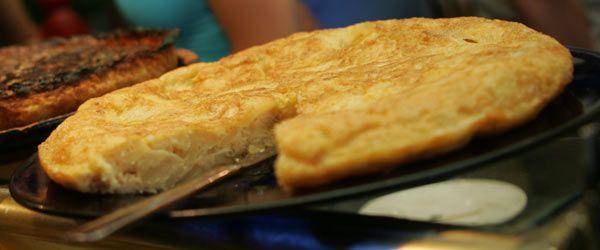
Spanish food The tortilla de patatas is one of the showpieces of Spain. In every tapas bar in Spain, you will come across a tortilla de patatas as standard. Spanish food: tortilla de patata

The Spanish Tortilla

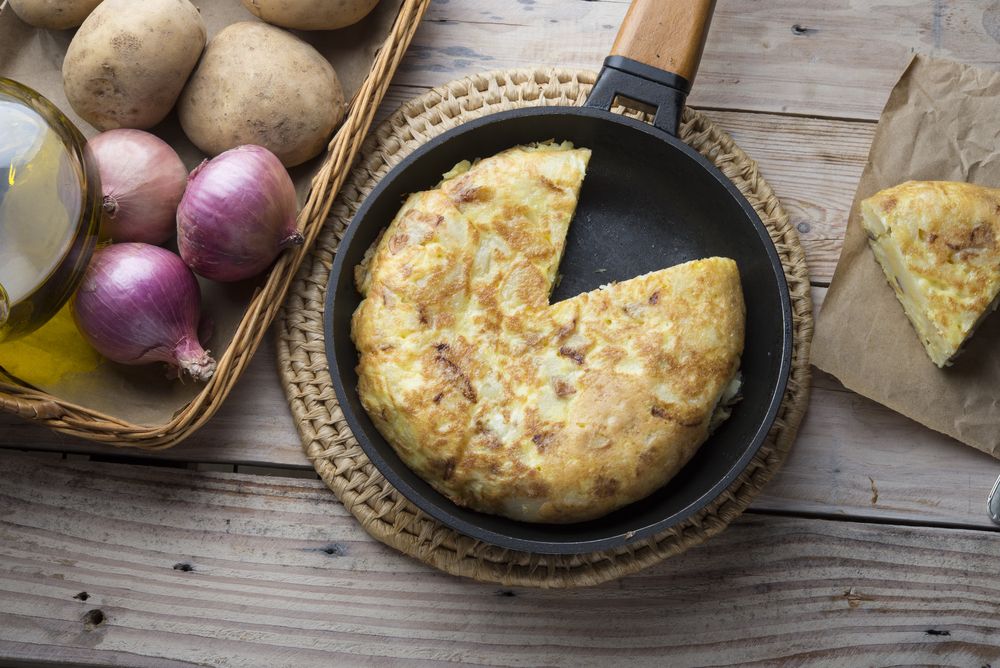
It is not called "Tortilla Española" for nothing: the tortilla de patatas is one of Spain's showpieces. In every tapas bar in Spain, you will come across a tortilla de patatas as standard. This is a kind of large omelet made of egg and potatoes and often with onion. Your visit to Spain is not complete without having tried this cake! It is also fun and delicious to prepare it yourself!

Other Spanish dishes that are also highly recommended in the local tapas bars:

Patatas bravas

Typical Spanish tapa, not really something special but oh-so-tasty! Deep fried potatoes with spicy salsa.

Gambas a la plancha

Fried shrimp with garlic and parsley on a piece of baguette. Especially delicious on the coastal areas, these areas are known for their good fish! By the way, these areas are also a very good place to eat Paella, another one of Spain's specialties.

Calamares a la romana

Deep-fried squid rings. Even if you normally don't really like fish, these are often still found tasty!

Chorizo

Tasty piece of sausage, usually also well seasoned with spicy paprika.

Lomo

This is the most delicious piece of meat from a pig. Not comparable to other pork!

Boquerones en vinagre

Sprat in vinegar. You must have tried this once.

Albóndigas

Small meatballs in sauce. Not like the Dutch meatballs, but very tasty!

Croquetas de jamón

These Spanish croquettes are nothing like our Dutch croquette. They are small and usually made of cheese, ham, shrimp or stockfish.

In Spanish cuisine, it is normal to eat these dishes with a piece of baguette. You often get a tapa, or also called a pincho, for free with a drink. There are many more tasty dishes, which you get to try for yourself in Spain!

Traditions The tortilla de patatas is one of the showpieces of Spain. In every tapas bar in Spain, you will come across a tortilla de patatas as standard. spanish food, spanish tapas, spanish dishes, spanish tortilla Off <!-- Revive Adserver Etiqueta JS asincrónica - Generated with Revive Adserver v5.0.2 --><ins data-revive-zoneid="7" data-revive-id="ec923599c3fad9b044f22a6a73433428"></ins><script async src="//ads.iegrupo.com/www/delivery/asyncjs.php"></script> Pauline Heuvelmans
Subscribe to Traditions

Manage cookie consent

Cookies on this website are used to personalize content and ads, provide social media features and analyze traffic. In addition, we share information about your use of the website with our social media, advertising and web analytics partners, who may combine it with other information you have provided to them or that they have collected from your use of their services. You can learn more in our Cookies policy

Always active

Necessary cookies help make a website usable by enabling basic functions such as page navigation and access to secure areas of the website. The website cannot function properly without these cookies.

Statistical cookies help website owners understand how visitors interact with websites by gathering and providing information in an anonymous form.

Preference cookies allow the website to remember information that changes the way the site behaves or looks, such as your preferred language or the region you are in.

Marketing cookies are used to track visitors on web pages. This is used to show ads that are more relevant and attractive to the individual user, and therefore more valuable to publishers and third-party advertisers.